Why Solar Direct Drive Motors Matter for Industry
Solar direct drive (SDD) motors represent a critical paradigm shift in industrial power architecture, eliminating the need for intermediary battery storage, inverters, and mechanical transmission components. By directly coupling a photovoltaic (PV) array to a brushless DC (BLDC) or permanent magnet synchronous motor (PMSM) via a localized controller, these systems drastically reduce operational expenditure (OPEX) and points of mechanical failure. For procurement teams and industrial distributors, the transition toward SDD technology is no longer just an eco-friendly initiative; it is a fundamental strategy for stabilizing energy costs, reducing maintenance overhead, and ensuring continuous operation in grid-vulnerable environments.
How industrial buyers use solar direct drive motors
Industrial buyers primarily deploy solar direct drive motors in remote or high-duty-cycle applications where grid power is either unavailable, unreliable, or prohibitively expensive. The dominant use cases include agricultural irrigation pumping, large-scale HVAC ventilation, remote mining conveyors, and off-grid aquaculture aeration. In these sectors, the removal of battery banks—which traditionally require replacement every 3 to 5 years—fundamentally changes the total cost of ownership (TCO) equation.
A typical industrial deployment ranges from 500W fractional horsepower motors for localized fluid transfer up to robust 15kW to 25kW systems for heavy-duty material handling. By utilizing integrated Maximum Power Point Tracking (MPPT) controllers, these motors can dynamically adjust their speed and torque based on real-time solar irradiance, ensuring that industrial processes continue to function efficiently even during suboptimal weather conditions or partial shading events.
Why decentralized power and electrification are driving adoption
The broader push toward decentralized power grids and industrial electrification is a primary catalyst for SDD adoption. Facilities are increasingly moving away from centralized, fossil-fuel-dependent power architectures to mitigate the risk of grid blackouts and volatile diesel costs. Decentralized solar motor systems allow industrial operators to compartmentalize their energy consumption, ensuring that critical standalone processes remain operational regardless of macro-grid stability.
Furthermore, compelling quantitative data supports the economic viability of this transition. Over the past decade, the cost per watt of industrial-grade solar modules has dropped by over 80%, while the efficiency of BLDC motors has consistently breached the 90% threshold. When combined, this creates an environment where the payback period for a 10kW solar direct drive system can be as short as 18 to 24 months compared to equivalent diesel-generator-powered mechanical systems, driving aggressive adoption across the B2B landscape.
How to Evaluate Solar Direct Drive Motors
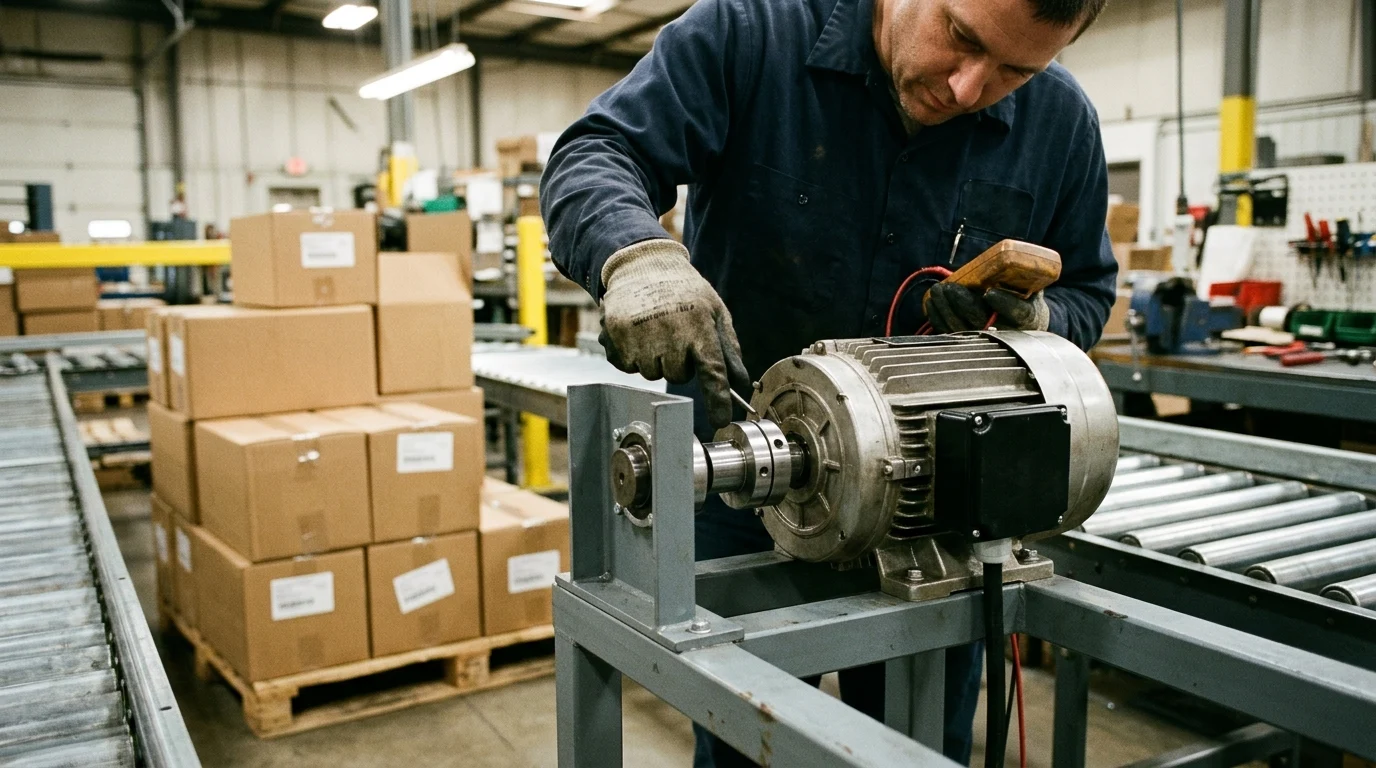
Evaluating solar direct drive motors requires procurement professionals to look beyond standard AC motor metrics like baseline horsepower and nominal RPM. Because these systems are inextricably linked to variable direct current (DC) inputs, buyers must assess the integration of the motor with its proprietary electronic controller, thermal management capabilities under fluctuating loads, and the specific efficiencies gained by omitting traditional power transmission hardware.
Which technical specifications affect purchasing decisions
The core technical specifications that dictate purchasing decisions revolve around voltage compatibility, torque curves, and environmental protection. Buyers must match the motor’s DC input voltage range (typically spanning from 48V for smaller 1kW units up to 400V+ DC for high-capacity industrial systems) with the projected open-circuit voltage (Voc) of the target solar array. Starting torque is another critical metric; because solar power ramps up gradually with the morning sun, the motor must possess a high starting torque-to-current ratio to initiate heavy loads without stalling.
Additionally, the Ingress Protection (IP) rating is non-negotiable for industrial buyers. Motors deployed in harsh environments demand an IP65 rating for dust and water jet resistance, while submersible SDD pump motors require IP68 certification to operate continuously underwater at depths often exceeding 100 meters.
How direct drive compares with geared and belt-driven systems
The elimination of gearboxes and drive belts is the defining mechanical advantage of the direct drive architecture. Traditional geared and belt-driven systems suffer from parasitic mechanical losses, requiring frequent lubrication, tensioning, and component replacement. Direct drive systems couple the load directly to the motor shaft, resulting in a leaner, more robust mechanical footprint that drastically reduces maintenance intervals.
| System Architecture | Transmission Efficiency | Maintenance Interval | Typical Lifespan (Years) | Initial CapEx |
|---|---|---|---|---|
| Solar Direct Drive (BLDC) | 90% – 95% | 12 – 24 Months | 15 – 20 | High |
| Geared Motor | 75% – 85% | 6 – 9 Months | 10 – 15 | Medium |
| Belt-Driven Motor | 70% – 80% | 3 – 6 Months | 8 – 12 | Low |
As illustrated in the table above, while the initial capital expenditure for a direct drive unit is higher, the 10% to 20% gain in transmission efficiency and the doubling of maintenance intervals yield a vastly superior long-term ROI for industrial end-users.
Which comparison criteria buyers should use for efficiency and duty cycle
When comparing efficiency and duty cycle, buyers must evaluate the system’s overall wire-to-water or wire-to-work efficiency rather than just the motor’s isolated nameplate efficiency. High-quality SDD systems utilize advanced MPPT algorithms that maintain system efficiency above 90% across a wide spectrum of solar irradiance (typically from 300 W/m² up to 1000 W/m²).
Duty cycle evaluation must account for the continuous versus intermittent nature of the application. For continuous operations like ventilation, buyers should mandate motors with Class H insulation (rated for 180°C) to withstand prolonged daytime operation without thermal degradation. Suppliers should provide performance curves demonstrating how the motor’s duty cycle responds to the bell-curve nature of daily solar energy generation.
How Importers and Distributors Should Source Suppliers
For importers, wholesale distributors, and OEM buyers, sourcing reliable solar direct drive motors requires stringent vetting of global supply chains. The market features a mix of specialized motor manufacturers and generic assemblers. Identifying tier-one suppliers necessitates a deep dive into their manufacturing capabilities, minimum order requirements, and adherence to international electrical and safety standards.
Which supplier qualification and MOQ terms matter most
Supplier qualification should begin with an assessment of the manufacturer’s vertical integration. Suppliers that design and manufacture both the BLDC motor stators and the MPPT controller electronics in-house generally offer superior system synchronization and lower defect rates (targeting an acceptable defect rate of strictly under 0.5%). Buyers should request ISO 9001:2015 audit reports and verify the supplier’s capacity for automated coil winding and magnetic rotor balancing.
Minimum Order Quantity (MOQ) and lead times are pivotal leverage points in B2B negotiations. Standard off-the-shelf SDD motors typically carry an MOQ of 50 to 100 units, while custom OEM designs with proprietary shaft dimensions or bespoke controller firmware may require MOQs of 500 units or more. Distributors must also factor in production lead times, which generally range from 30 to 45 days, to accurately manage their domestic inventory and avoid stockouts during peak agricultural or construction seasons.
What compliance, certification, warranty, and after-sales documents to check
Navigating the complex landscape of international compliance is mandatory to ensure smooth customs clearance and downstream market acceptance. At a minimum, motors destined for the European market must carry CE markings and comply with the RoHS directive. For the North American market, UL 1004-1 (Rotating Electrical Machines) certification is a critical benchmark for safety and liability mitigation.
In the specific context of solar integration, buyers should demand compliance with IEC 62253 (Equipment and safety requirements for photovoltaic pumping systems) where applicable. Furthermore, warranty and after-sales documentation must be thoroughly reviewed. A reputable tier-one supplier will offer a standard 2 to 3-year replacement warranty on the motor and controller, with extended 5-year options available for enterprise contracts. Distributors should also secure comprehensive technical dossiers, including wiring schematics, troubleshooting flowcharts, and spare parts catalogs for the controller’s printed circuit board (PCB) components.
How Buyers Should Make the Final Purchasing Decision

The final purchasing decision is a synthesis of technical suitability, regional market dynamics, and the importer’s margin targets. Procurement teams must build a sourcing matrix that balances the high upfront capital requirements of solar direct drive technology against the premium pricing these systems command in the wholesale and B2B retail markets.
How to choose by application, region, and margin structure
Choosing the right product mix depends heavily on the target application and the regional solar irradiance of the end-user market. Distributors operating in regions with high Direct Normal Irradiance (DNI), such as the Middle East, Sub-Saharan Africa, or the American Southwest, should prioritize high-capacity (10kW+) motors designed for heavy agricultural and mining applications. Conversely, buyers in temperate zones may focus on lower-wattage, highly efficient systems for specialized HVAC and localized water management.
| Application Scale | Typical Motor Rating | Distributor Margin Target | Est. ROI (End-User) | Ideal Shipping Volume |
|---|---|---|---|---|
| Agricultural Pumping | 500W – 3kW | 30% – 40% | 1.5 – 2.5 Years | LCL / Mixed Pallets |
| Industrial Ventilation | 3kW – 10kW | 25% – 35% | 2.0 – 3.5 Years | 20ft FCL |
| Heavy Duty / Mining | 10kW – 25kW+ | 20% – 30% | 3.0 – 5.0 Years | 40ft FCL |
Margin structures in the SDD sector are generally highly favorable for early-adopting distributors. Because these systems offer rapid OPEX reduction for the end-user, distributors can typically command wholesale markups ranging from 25% to 40%, provided they offer adequate localized technical support and warranty fulfillment.
Which procurement process supports pilot orders and scale-up
To mitigate risk when onboarding a new SDD motor supplier, procurement teams must execute a structured, phased purchasing process. The engagement should begin with a paid pilot order of 5 to 10 units. This allows the buyer’s engineering team to conduct rigorous field testing under actual load and local DNI conditions, verifying the MPPT controller’s responsiveness and the motor’s thermal stability before committing to high-volume contracts.
Once the pilot phase successfully validates the manufacturer’s performance claims and defect rate thresholds, buyers can transition to scale-up procurement. Scaling up to Full Container Loads (FCL) drastically reduces the landed cost per unit. A standard 20ft FCL can typically accommodate 200 to 300 mid-sized (2kW – 5kW) solar direct drive motor kits, including their controllers and packaging. By establishing a rolling 90-day forecast with the vetted supplier, importers can secure volume discounts, lock in raw material pricing for copper and rare-earth magnets, and ensure a steady pipeline of inventory to meet growing industrial demand.
Key Takeaways
- Wholesale sourcing and supply-chain implications for Why Solar Direct Drive Motors are the Future of Industry
- Specifications, compliance, and commercial terms buyers should validate
- Actionable recommendations for distributors and procurement teams
Frequently Asked Questions
What is a solar direct drive motor?
It is a motor powered directly by solar PV through a controller, without batteries, belts, or gearboxes. This reduces energy loss, maintenance, and system complexity.
Where are solar direct drive motors most useful in industry?
They work best in irrigation pumping, HVAC ventilation, aquaculture aeration, and remote material handling where grid power is weak, costly, or unavailable.
Which specifications should buyers check before choosing a solar direct drive motor?
Focus on DC voltage range, starting torque, controller with MPPT, motor efficiency, and IP rating. For harsh sites, IP65 or higher is usually recommended.
Can a solar direct drive motor still run during weak sunlight?
Yes, with a properly matched PV array and MPPT controller, the motor can adjust speed and torque to keep operating efficiently under variable sunlight.
About Zhejiang Eternal Hybrid Tech Co., Ltd.
Headquartered in Ningbo, China, Zhejiang Eternal Hybrid Tech Co., Ltd. is a new energy technology company specializing in intelligent photovoltaic microgrid solutions. Since entering the solar sector in 2019, the company has developed proprietary ParaFlow MicroGrid and Photoelectric Complementarity technologies, supporting a product line that includes solar industrial fans, solar water pumps, solar air coolers, and solar air compressors.
The company is committed to making clean energy affordable and reliable for industrial and agricultural users worldwide.
Contact:info@eternalwatt.com | +86-574-8906-5058