Brushless DC Motor Technology in Solar Fans: Core Efficiency Advantage
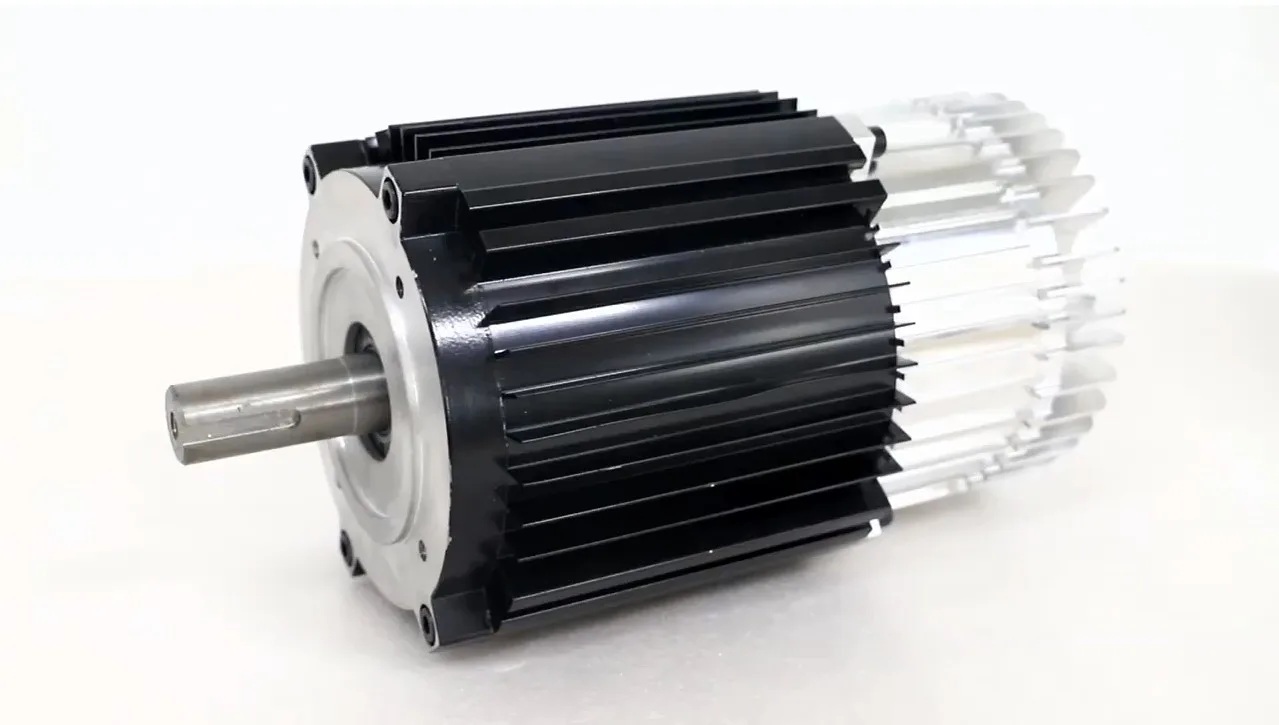
Brushless DC motors (BLDC motors) are the central technology enabling modern solar fans because BLDC motors convert electrical energy into mechanical motion with significantly higher efficiency than traditional AC motors. A BLDC motor is a type of electric motor that operates without brushes, using electronic commutation instead of mechanical friction components. This structural difference reduces energy losses, making BLDC motors particularly suitable for low-power systems such as solar-powered appliances.
According to the International Energy Agency, improving motor efficiency can reduce global electricity consumption by up to 10% in residential applications. Solar fans operate under constrained energy input, and BLDC motors allow more airflow output per watt of solar energy. For applications such as a solar powered fan system, this efficiency directly translates into longer operation time and stable performance under variable sunlight conditions.
Noise Reduction and User Comfort in Solar BLDC Fans
Noise levels significantly affect user experience, especially in residential and indoor applications. BLDC motors operate with smoother torque delivery and reduced vibration due to electronic commutation. This results in significantly quieter operation compared to AC motors.
According to studies from Lawrence Berkeley National Laboratory, low-noise appliances contribute to improved indoor environmental quality and user comfort. Solar fans equipped with BLDC motors typically operate below 50 dB, comparable to quiet ambient noise levels.
A quiet solar DC fan solution ensures:
- Reduced acoustic disturbance
- Improved sleep and working conditions
- Suitability for indoor and outdoor applications
Noise reduction becomes a competitive technical advantage in solar appliance design.
Intelligent Control and Speed Regulation in BLDC Solar Fans
BLDC motors integrate easily with electronic controllers, enabling advanced features such as variable speed control, temperature-based automation, and smart energy management. These capabilities enhance overall system efficiency and adaptability.
A study published by IEEE highlights that electronically controlled motors can improve system efficiency by optimizing load conditions in real time.
A smart solar fan with BLDC controller supports:
- Adaptive speed adjustment based on solar input
- Battery protection through intelligent power management
- Integration with IoT or smart home systems
These features make BLDC-based solar fans more aligned with modern energy management trends.
Environmental Impact: BLDC Motors Support Sustainable Cooling
Sustainability is a core objective in solar fan adoption. BLDC motors contribute to lower carbon emissions by reducing energy consumption and improving system efficiency. This aligns with global climate goals and renewable energy strategies.
The Intergovernmental Panel on Climate Change emphasizes that improving energy efficiency is one of the most cost-effective ways to reduce greenhouse gas emissions. Solar fans powered by BLDC motors reduce dependency on grid electricity and fossil fuels.
The environmental benefits include:
| Factor | Impact of BLDC Solar Fans |
|---|---|
| Energy Consumption | Reduced by up to 50% |
| Carbon Emissions | Significantly lower |
| Resource Usage | Optimized system design |
A eco friendly solar cooling fan supports sustainable development goals while providing practical cooling solutions.
Key Takeaways: Why BLDC Motors Define Solar Fan Performance
The dominance of BLDC motors in solar fans is driven by a combination of efficiency, reliability, and adaptability. Key conclusions include:
- BLDC motors maximize energy utilization in solar systems
- Reduced power consumption enables off-grid functionality
- Long lifespan minimizes maintenance and lifecycle cost
- Quiet operation enhances usability
- Smart control integration improves overall system intelligence
These factors collectively explain why BLDC technology has become the standard for modern solar fan design.
FAQ: Brushless DC Motors in Solar Fans
What is the difference between a BLDC motor and a traditional DC motor?
A BLDC motor uses electronic commutation instead of brushes, eliminating friction losses. Traditional DC motors rely on mechanical brushes that wear over time. This difference improves efficiency, reduces maintenance, and extends lifespan in solar fan applications.
How does a BLDC motor improve solar fan runtime?
BLDC motors consume less power for the same airflow output. Lower energy consumption allows solar fans to operate longer using the same solar panel and battery capacity, especially during low sunlight conditions.
Are BLDC solar fans compatible with battery storage systems?
Yes, BLDC solar fans are highly compatible with battery systems. Their low voltage and efficient power usage make them suitable for direct DC battery integration without requiring complex power conversion systems.
What factors should be considered when selecting a BLDC solar fan?
Key factors include motor efficiency rating, power consumption, airflow capacity (CFM), controller features, and battery compatibility. Evaluating these parameters ensures optimal performance in specific environmental conditions.
Is maintenance completely eliminated in BLDC solar fans?
Maintenance is not completely eliminated but significantly reduced. Since BLDC motors lack brushes, wear-related servicing is minimized. Routine checks typically involve cleaning, wiring inspection, and controller diagnostics rather than mechanical replacement.