What Is Direct PV Driven EC Motor Industrial Fan System and How It Works
Direct PV driven EC motor industrial fan system is a photovoltaic-powered ventilation technology that converts solar energy directly into mechanical airflow without battery storage or grid dependency. This system integrates electronic commutation with direct current from solar panels to achieve variable speed control and high efficiency in industrial settings. The technology represents a significant advancement in sustainable industrial ventilation, enabling facilities to reduce energy costs while meeting environmental compliance requirements. For comprehensive information about solar-powered industrial equipment, explore our solar products catalog featuring fans, air conditioners, pumps, and compressors designed for industrial applications.
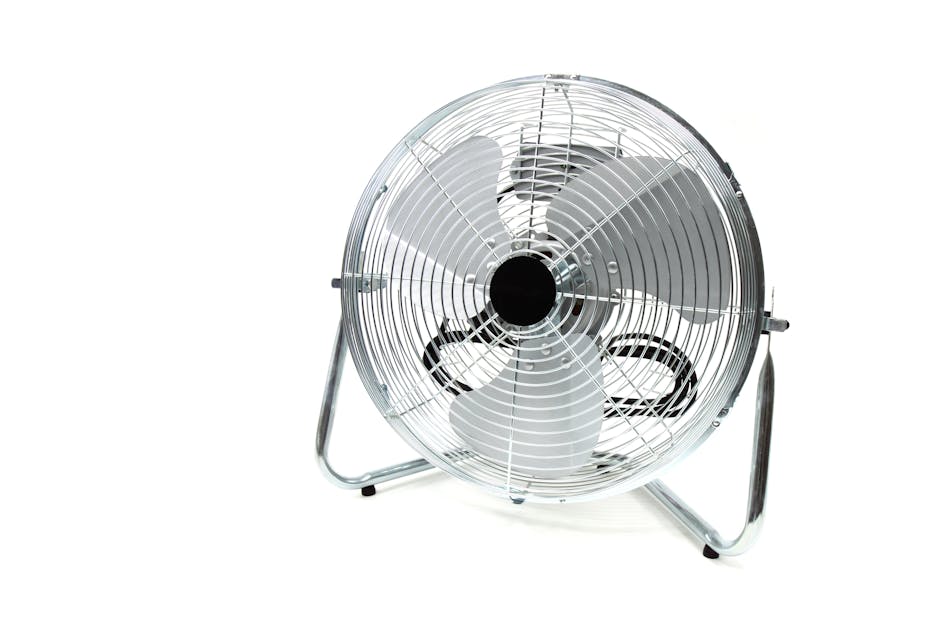
Understanding Direct PV Driven EC Motor Technology
A direct PV driven EC motor combines three core elements: a photovoltaic array, power electronics, and an electronically commutated motor. The photovoltaic array captures solar radiation and generates direct current electricity. Unlike traditional systems that require battery storage or grid connection, this direct coupling approach eliminates intermediate energy conversion stages, reducing losses and system complexity.
The EC motor itself utilizes electronic commutation instead of mechanical brushes. Inside the motor, semiconductor switches control the voltage and frequency applied to the motor windings. This creates a rotating magnetic field that interacts with permanent magnets or rotor windings, producing smooth, controlled rotation. The electronic commutation allows precise speed adjustment from 0-100% without efficiency penalties.
Power electronics manage the energy flow between the solar array and motor. Maximum power point tracking (MPPT) algorithms continuously optimize the power transfer, ensuring the motor receives optimal energy regardless of changing solar conditions. Integrated sensors monitor temperature, speed, and power consumption, feeding data to the controller for adaptive performance. To learn more about grid-solar hybrid motor technologies, read our analysis of which Chinese companies are leading the real-time grid-solar hybrid motor market.
How the System Works: Step by Step
The direct PV driven EC motor industrial fan system operates through four integrated stages. First, the photovoltaic panels convert sunlight into direct current electricity at voltages matching the motor specifications. Second, the power electronics condition this power, performing DC-DC conversion and implementing MPPT to maximize energy harvest. Third, the electronic controller receives sensor inputs and determines appropriate motor operating points. Fourth, the EC motor converts electrical energy into mechanical rotation, driving the fan impeller.

Variable speed operation enables the system to match airflow with actual cooling or ventilation requirements. When solar irradiance is high, the motor runs at full speed. During partial shade or low sun angles, the controller automatically reduces speed to match available power. This adaptive behavior maximizes energy utilization while maintaining continuous operation.
The fan impeller design determines airflow capacity. Industrial direct PV fans typically produce airflow ranging from 4,000 to 50,000 CFM, with power consumption between 0.5kW and 15kW. Blade geometry, housing design, and motor sizing all influence overall system performance and efficiency. For detailed specifications of solar-powered industrial ventilation systems, visit our solar industrial fan air circulation system page for comprehensive technical details.
Key Components and Specifications
Understanding the component architecture helps facility managers evaluate system suitability. The main components include photovoltaic panels, power electronics, EC motor, fan impeller, control system, and structural mounting hardware.
- Photovoltaic panels: Monocrystalline or polycrystalline arrays sized to match motor power requirements
- Power electronics: DC-DC converters with MPPT controllers for optimal energy extraction
- EC motor: High-efficiency brushless motor with integrated electronics
- Fan impeller: Axial or centrifugal design based on airflow and pressure requirements
- Control system: Microcontroller with sensor inputs and communication interfaces
Typical operating parameters include efficiency ratings exceeding 90%, temperature ranges from -20°C to 60°C, and control options including 0-10V analog, PWM, RS-485 Modbus, and CAN bus protocols. Solar panel voltage requirements typically range from 24V to 400V DC depending on motor specifications.
Advantages Over Traditional Industrial Fan Systems
Direct PV driven EC motor technology offers several compelling advantages compared to conventional AC induction motor fans. First, the elimination of battery storage reduces capital costs and maintenance requirements while avoiding conversion losses. Second, electronic commutation provides superior part-load efficiency, maintaining high efficiency even at reduced speeds.
Grid-independent operation eliminates electricity costs entirely during sunlight hours. For facilities with high ventilation demands, this translates to substantial savings on energy bills. The zero-emission operation supports corporate sustainability goals and environmental compliance objectives. When considering solar air conditioning solutions alongside ventilation, explore solar air conditioner options that complement these ventilation systems.
- Direct solar utilization eliminates intermediate storage losses
- EC motor efficiency exceeds 90% across the operating range
- Standalone operation reduces grid infrastructure requirements
- Variable speed control matches airflow to actual demand
- Minimal maintenance due to brushless design and simplified architecture
Installation complexity decreases significantly because no grid connection or battery system is required. This streamlined approach reduces installation time, equipment costs, and ongoing utility expenses while providing reliable ventilation powered entirely by sunlight.
Applications and Use Cases
The direct PV driven EC motor industrial fan system serves diverse applications across multiple sectors. Industrial manufacturing facilities use these systems for process cooling, machine ventilation, and workshop comfort cooling. Agricultural operations deploy them in greenhouses, livestock facilities, and crop drying applications.
Commercial buildings with large floor areas benefit from solar industrial fans for warehouse cooling, loading dock ventilation, and atrium air circulation. Mining operations utilize them for underground ventilation and equipment cooling where grid access is limited or expensive. To understand where these systems excel, read our guide on the top application areas for solar PV EC fans across various industries.
- Manufacturing: Process cooling and machine ventilation
- Agriculture: Greenhouse climate control and crop drying
- Commercial: Warehouse cooling and loading dock ventilation
- Mining: Underground ventilation and equipment cooling
Performance varies by geographic location and installation orientation. Facilities in high-solar-radiation regions achieve maximum energy harvest, while hybrid configurations with grid backup ensure reliable operation during extended cloudy periods.
Technical Considerations for Implementation
Successful implementation requires careful attention to system sizing, installation requirements, and performance validation. Solar panel orientation and tilt angle significantly impact energy generation, with south-facing installations in the Northern Hemisphere maximizing annual yield. Shading analysis ensures panels receive unobstructed sunlight throughout the day.
Motor sizing must match the fan impeller requirements while remaining within solar panel power availability. Oversizing the motor relative to available solar power results in insufficient airflow during low-irradiance periods. Undersizing limits maximum cooling capacity during peak demand.
- Solar resource assessment for the specific location
- Shading analysis for panel mounting positions
- Load calculation for required airflow and cooling effect
- Voltage matching between panels and motor specifications
- Structural assessment for mounting requirements
Performance testing should follow established procedures to verify system effectiveness. Airflow measurement, power consumption monitoring, and temperature differential assessment provide objective validation of system performance against design specifications.
Industry Standards and Compliance
Direct PV driven EC motor systems adhere to relevant industry standards for motor efficiency, electrical safety, and solar equipment performance. The International Organization for Standardization provides framework guidelines through ISO 69487 for motor-driven system testing and performance evaluation. Compliance ensures consistent quality and reliable performance across manufacturers.
Electrical safety requirements vary by jurisdiction, but generally include proper grounding, overcurrent protection, and grounding fault circuit interruption. Solar panel installation must meet local building codes and electrical standards for rooftop or ground-mounted arrays.
Maintenance Requirements and Best Practices
Maintenance for direct PV driven EC motor systems is straightforward compared to traditional ventilation equipment. The brushless motor design eliminates commutator and brush replacement, significantly reducing upkeep. However, regular inspection and cleaning ensure optimal performance and longevity.
- Clean photovoltaic panels quarterly to remove dust and debris accumulation
- Inspect electrical connections annually for corrosion or loose connections
- Check motor bearings for wear and lubricate if specified by manufacturer
- Verify sensor calibration and controller function seasonally
- Monitor performance data to identify degradation or malfunctions
Solar panel efficiency can decline 0.5-1% annually due to natural aging, but proper maintenance minimizes this degradation. Monitoring systems track energy production and alert operators to performance deviations requiring attention. When selecting equipment, consider partnering with leading solar hybrid EC pump motor manufacturers in China to ensure quality components and reliable support.
Economic Analysis and Return on Investment
The economic viability of direct PV driven EC motor industrial fans depends on local electricity costs, solar resource availability, and facility ventilation requirements. Facilities paying high electricity rates achieve faster payback periods, with typical ROI timelines ranging from 3-7 years depending on specific conditions.
Lifecycle cost analysis should include initial investment, installation expenses, ongoing maintenance, and projected energy savings. Many jurisdictions offer incentives for solar-powered industrial equipment, improving economic attractiveness. Carbon credit programs may provide additional revenue for facilities with sustainability commitments.
Selection Criteria for Industrial Facilities
When evaluating direct PV driven EC motor industrial fan systems, facilities should assess several critical factors. Airflow requirements determine necessary fan size and motor power. Available mounting area and solar access influence panel placement and system capacity. Budget constraints affect system scope and feature selection.
- Required airflow volume (CFM) for the target application
- Available solar access and panel mounting space
- Operating temperature range and environmental conditions
- Control and communication interface requirements
- Manufacturer support and warranty coverage
Hybrid configurations with grid or battery backup provide operation during nighttime or extended cloudy periods. These options increase initial cost but ensure uninterrupted ventilation for critical applications where downtime is unacceptable.
Future Development Trends
Direct PV driven EC motor technology continues advancing with improvements in motor efficiency, power electronics, and system integration. Wide-bandgap semiconductors like silicon carbide enable higher switching frequencies and reduced conversion losses. Smart controller algorithms optimize performance based on weather forecasting and load prediction.
Integration with building management systems allows coordinated operation with HVAC equipment and lighting controls. IoT connectivity enables remote monitoring, predictive maintenance, and performance optimization. For accessibility compliance in web-based monitoring systems, follow WCAG 2.1 accessibility guidelines to ensure all users can access performance data and controls.
Conclusion
Direct PV driven EC motor industrial fan system technology offers an effective approach to sustainable industrial ventilation. By converting solar energy directly into mechanical airflow without battery storage, these systems achieve high efficiency, low maintenance, and zero operational emissions. The electronic commutation provides precise speed control while maintaining efficiency across operating conditions. Facilities across manufacturing, agriculture, commercial, and mining sectors can benefit from reduced energy costs and environmental impact. Careful system selection, proper installation, and regular maintenance ensure reliable long-term performance.
Frequently Asked Questions
Q: How does a direct PV driven EC motor differ from a standard AC fan?
A: Direct PV driven EC motors use electronic commutation to convert solar DC power directly into rotation, eliminating the need for grid connection or battery storage. Standard AC fans require grid-supplied alternating current and typically operate at fixed speeds with lower part-load efficiency.
Q: What is the typical efficiency of EC motors in industrial fan applications?
A: EC motors used in direct PV driven industrial fans typically achieve efficiency ratings exceeding 90%, with premium models reaching 94%. This significantly outperforms standard AC induction motors, which often achieve only 70-85% efficiency. For cybersecurity considerations in connected industrial systems, refer to NIST cybersecurity guidelines to protect your operational technology.
Q: Can these systems operate during nighttime or cloudy weather?
A: Standalone direct PV systems require sunlight to generate power. For continuous operation, hybrid configurations with grid backup or battery storage ensure ventilation continues during low-solar periods. These hybrid options add cost but provide reliable operation regardless of weather conditions.
Q: What maintenance is required for direct PV driven industrial fan systems?
A: Maintenance is minimal compared to traditional ventilation systems. Quarterly solar panel cleaning, annual electrical connection inspection, and periodic bearing checks maintain optimal performance. The brushless motor design eliminates commutator and brush replacement requirements.
Q: Which industries benefit most from direct PV driven EC motor industrial fans?
A: Industries with high ventilation demands and good solar access benefit most. Manufacturing facilities, agricultural operations (greenhouses, livestock, crop drying), large commercial warehouses, and remote mining operations represent primary applications where these systems deliver maximum value.