Introduction
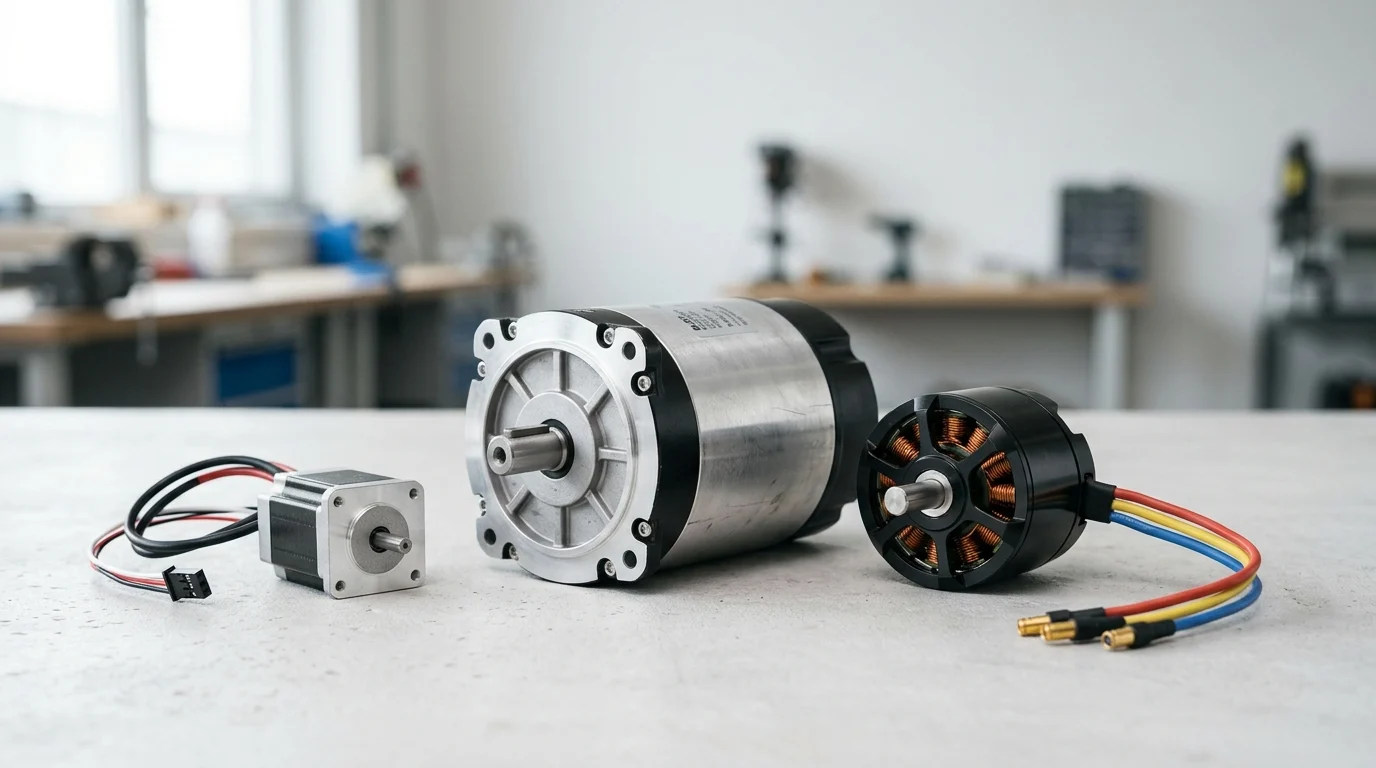
Solar water pumps depend on making the most of limited and variable photovoltaic power, so motor choice has a direct impact on output, reliability, and operating cost. BLDC motors stand out because their brushless design reduces friction, heat, and electrical losses while maintaining strong performance across changing solar conditions. This article explains how BLDC motors convert more of the available solar energy into useful pumping work, why they typically outperform brushed alternatives, and what technical features make them especially well suited for agricultural and off-grid water systems.
Why BLDC Motors Are the Efficiency Benchmark in Solar Pumps
The integration of Brushless DC (BLDC) motors into solar water pumping systems represents a definitive shift in agricultural and industrial fluid management. By replacing mechanical commutators with electronic controllers, these motors establish a new baseline for energy conversion, ensuring that the maximum possible volume of water is displaced for every watt of solar energy harvested.
How BLDC motors improve solar water pump performance
BLDC motors utilize permanent magnets—typically high-strength neodymium-iron-boron (NdFeB)—on the rotor, eliminating the need for rotor windings. This architectural change eradicates rotor copper losses, allowing the motor to achieve peak electrical efficiencies between 85% and 92%. In contrast, traditional brushed DC motors rarely exceed 80% efficiency due to constant friction and electrical resistance at the brush-commutator interface.
The absence of physical brushes also drastically reduces internal thermal buildup. Because heat degrades magnetic flux and increases winding resistance, the cooler operating profile of a BLDC motor ensures that it maintains its peak efficiency curve even during prolonged operation under maximum solar irradiance.
What market forces are driving the shift from conventional motors
The global transition toward off-grid agricultural irrigation has amplified the demand for highly efficient prime movers. Over the past decade, the cost of power electronics necessary for BLDC controllers has dropped by approximately 40%, making electronic commutation commercially viable for small-to-medium agricultural operations rather than just for premium industrial applications.
Furthermore, stringent regional mandates regarding groundwater extraction efficiency and agricultural carbon footprints have incentivized the adoption of permanent magnet technology. This surge in demand has pushed manufacturers to scale production, thereby lowering unit costs and cementing BLDC motors as the default standard for modern solar pumping deployments.
What Determines BLDC Motor Efficiency in Solar Pumping
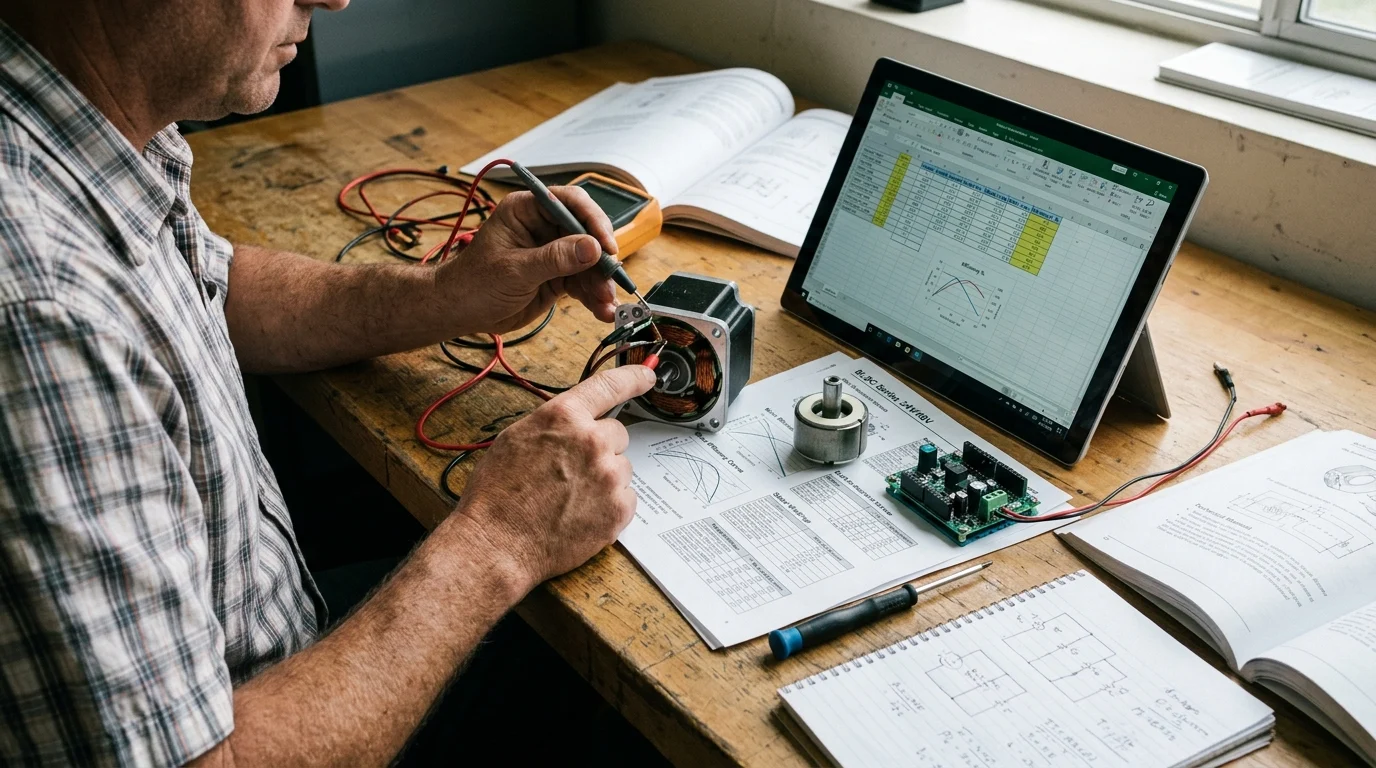
Achieving maximum fluid displacement per watt of solar energy requires optimizing the entire electromechanical system. The efficiency of a BLDC motor in a solar pump is not a static figure but a dynamic output dependent on control electronics, operational loads, and underlying material quality.
How controller design, commutation, and MPPT integration affect efficiency
The motor controller serves as the operational brain of the system, executing sensorless vector control or Field-Oriented Control (FOC) to ensure the stator magnetic field remains perfectly orthogonal to the rotor magnets. This precise electronic commutation minimizes torque ripple and maximizes energy transfer.
High-grade controllers integrate Maximum Power Point Tracking (MPPT) algorithms that operate at conversion efficiencies exceeding 98%. By continuously adjusting the voltage-to-frequency ratio, the MPPT ensures the motor draws optimal power from the photovoltaic array despite fluctuating cloud cover, shading, or panel temperature changes.
How pump duty conditions and hydraulic loads influence performance
Pumping applications present variable torque loads, particularly in deep-well submersible scenarios where dynamic head pressure changes as the water table fluctuates. BLDC motors excel in these environments because they maintain a flat, high-efficiency profile across a remarkably wide operational speed range—typically from 30% to 100% of their rated RPM.
This operational elasticity allows the pump to begin moving water earlier in the morning and continue later into the evening. While traditional motors suffer severe efficiency drop-offs at partial loads, BLDC systems effectively extend the daily pumping window, yielding higher total daily water volumes.
What loss mechanisms and efficiency metrics buyers should compare
Procurement engineers must scrutinize specific loss mechanisms when evaluating BLDC stators. Copper losses (I²R) are mitigated by maximizing the slot fill factor with high-purity copper windings. Buyers should look for motors that specify high thermal class insulation (such as Class F or H) to handle high-current scenarios without degrading.
Iron losses, consisting of hysteresis and eddy currents, are managed through the use of high-grade electrical steel laminations. Premium BLDC pump motors utilize stator laminations between 0.35mm and 0.50mm in thickness. Thinner laminations significantly curtail eddy current propagation and improve overall magnetic flux density, directly contributing to a 2% to 4% efficiency edge over budget alternatives.
How BLDC Motors Compare With AC Induction and DC Motors
Selecting the correct motor topology requires comparing BLDC technology directly against traditional Alternating Current (AC) induction motors and brushed Direct Current (DC) motors. Each architecture presents distinct lifecycle metrics and operational financial profiles.
What differences matter in efficiency, maintenance, and lifecycle cost
AC induction motors are highly robust but require a DC-to-AC inverter when paired with solar panels, introducing an immediate conversion loss of 3% to 5%. They also exhibit higher starting current requirements, often necessitating larger, more expensive solar arrays just to overcome starting inertia.
Brushed DC motors operate directly from solar power but rely on carbon brushes that typically wear out every 2,000 to 3,000 hours. This requires frequent, labor-intensive extraction of the pump from the well. BLDC motors bridge this gap entirely, eliminating brush maintenance to offer operational lifespans exceeding 20,000 hours while bypassing the heavy inverter losses associated with AC systems.
Which comparison criteria buyers should use
When evaluating motor technologies, buyers must align their choice with the specific demands of solar applications. The following table highlights the core comparative metrics used in procurement assessments:
| Motor Technology | Typical Peak Efficiency | Operational Lifespan | Maintenance Frequency | Starting Torque |
|---|---|---|---|---|
| BLDC | 85% – 92% | > 20,000 hours | Very Low | High |
| AC Induction | 75% – 85% | > 15,000 hours | Low | Moderate |
| Brushed DC | 70% – 80% | 2,000 – 3,000 hours | High (Brush changes) | High |
By cross-referencing these criteria, buyers can accurately calculate the Total Cost of Ownership (TCO) over a five-to-ten-year horizon. The elimination of brush replacements and the reduction in required solar panel wattage consistently position BLDC as the most economical long-term choice.
How to Select and Deploy BLDC Motors for Maximum Efficiency
Realizing the theoretical efficiency limits of BLDC technology in the field demands rigorous sizing, installation, and procurement protocols. A misaligned system can quickly negate the inherent electromechanical advantages of the motor.
How to match the motor, pump hydraulics, and solar array
The hydraulic load must dictate the motor specification, which in turn dictates the solar array sizing. Industry best practice mandates oversizing the photovoltaic (PV) array by 20% to 30% relative to the BLDC motor’s rated power. This buffer compensates for panel degradation, dust accumulation, and suboptimal irradiance angles.
System voltage must also align efficiently with the depth and volume requirements. A mismatched voltage can lead to excessive current draw and thermal stress.
| System Voltage (V) | Typical Power Range (W) | Optimal Well Depth (m) | Recommended Application |
|---|---|---|---|
| 24V – 48V | 200W – 750W | < 30m | Livestock watering, small irrigation |
| 72V – 110V | 750W – 1500W | 30m – 70m | Medium-scale agriculture |
| 200V – 300V+ | 1500W – 5000W+ | 70m – 150m+ | Deep well, municipal supply |
Which installation, protection, and monitoring practices preserve performance
Submersible BLDC pumps require rigorous ingress protection, mandating IP68-rated enclosures with double mechanical seals to prevent fluid intrusion. The motor housing should ideally be constructed from 304 or 316 stainless steel to resist corrosion in high-salinity groundwater.
Dry-run protection is critical for preserving the motor and pump hydraulics. Advanced BLDC controllers utilize sensorless load monitoring to detect sudden drops in torque, shutting down the motor within milliseconds if the well runs dry. Additionally, Type 2 Surge Protective Devices (SPDs) should be installed at the controller junction to shield the sensitive electronics from lightning-induced voltage transients.
What procurement criteria to use when evaluating suppliers
When evaluating manufacturers, procurement teams should verify strict adherence to ISO 9001 quality management and CE compliance. Buyers must check the Maximum Operating Depth specifications to ensure the motor housing can withstand the hydrostatic pressure of the target deployment.
For bulk deployments, buyers should anticipate Minimum Order Quantities (MOQs) ranging from 50 to 100 units to secure favorable OEM pricing. Procurement contracts should also demand comprehensive factory acceptance test (FAT) reports verifying the motor’s stated efficiency curve and MPPT tracking accuracy before shipment.
Key Buyer Takeaways on BLDC Motors in Solar Pumps

The integration of BLDC technology into solar water pumping portfolios requires a strategic evaluation of both initial capital expenditure and long-term operational savings. Understanding the financial trajectory of these systems ensures optimal resource allocation.
When BLDC motors deliver the strongest return on investment
BLDC motors yield the most substantial return on investment in remote, off-grid environments where maintenance access is logistically complex and labor-intensive. Because these motors maximize the volume of water pumped per watt of available solar energy, operators can achieve their daily hydraulic targets with a significantly smaller physical footprint of solar panels.
In high-insolation regions, the payback period for a BLDC solar pump system frequently falls between 18 and 24 months when replacing diesel-driven generators or highly inefficient brushed DC legacy systems. The elimination of fuel logistics and routine brush replacements accelerates this break-even point.
How to balance upfront cost with long-term efficiency gains
While BLDC systems typically command a 15% to 25% capital premium over standard AC induction setups at the time of purchase, this upfront cost is rapidly offset by operational efficiencies. The absence of inverter conversion losses flattens the long-term expenditure curve.
Procurement managers must pivot away from evaluating solely the initial purchase price, focusing instead on the leveled cost of water (LCOW). By modeling the guaranteed 20,000-hour operational lifespan against the reduced solar array requirements and zero-maintenance profile, the financial superiority of the BLDC architecture becomes unequivocally apparent before the third year of deployment.
Key Takeaways
- The most important conclusions and rationale for BLDC Motors
- Specs, compliance, and risk checks worth validating before you commit
- Practical next steps and caveats readers can apply immediately
Frequently Asked Questions
Why are BLDC motors more efficient in solar water pumps?
BLDC motors eliminate brush friction and rotor copper losses, typically reaching 85%–92% efficiency. That means more water pumped per watt of solar energy, especially in off-grid systems.
How does MPPT improve a BLDC solar pump system?
MPPT keeps the pump drawing the best available power from the PV array as sunlight changes. In systems like Eternalmaxx solar microgrids, this helps extend pumping hours and stabilize output.
Are BLDC solar pumps better for areas with unstable grid power?
Yes. BLDC pumps work well with solar-first setups and can pair with day/night energy support. This helps commercial and industrial users maintain pumping during outages or high utility-cost periods.
What should buyers check when comparing BLDC motors for solar pumps?
Check rated efficiency, controller quality, MPPT support, insulation class, copper winding quality, and lamination thickness. These factors directly affect water output, heat, and long-term reliability.
Can BLDC motors handle variable pumping loads efficiently?
Yes. BLDC motors maintain strong efficiency across a wide speed range, so they adapt well to changing head pressure and sunlight. This improves daily water yield in real operating conditions.