Advantages of Photovoltaic Direct Drive Solar Pumps in Agricultural Industry
Photovoltaic direct drive solar pumps represent an innovative water management technology that transforms solar energy into mechanical pumping action without battery storage. These systems integrate solar panels directly with pump motors, enabling agricultural operations to access water in remote locations without grid connectivity. The agricultural industry increasingly adopts this technology due to rising electricity costs and environmental sustainability requirements. Direct drive configuration eliminates intermediate energy conversion stages, improving overall system efficiency. This article examines the technical advantages, applications, and implementation considerations for solar-powered irrigation systems in modern agriculture. Learn more about related solar technologies that support agricultural operations.
How Photovoltaic Direct Drive Solar Pumps Work
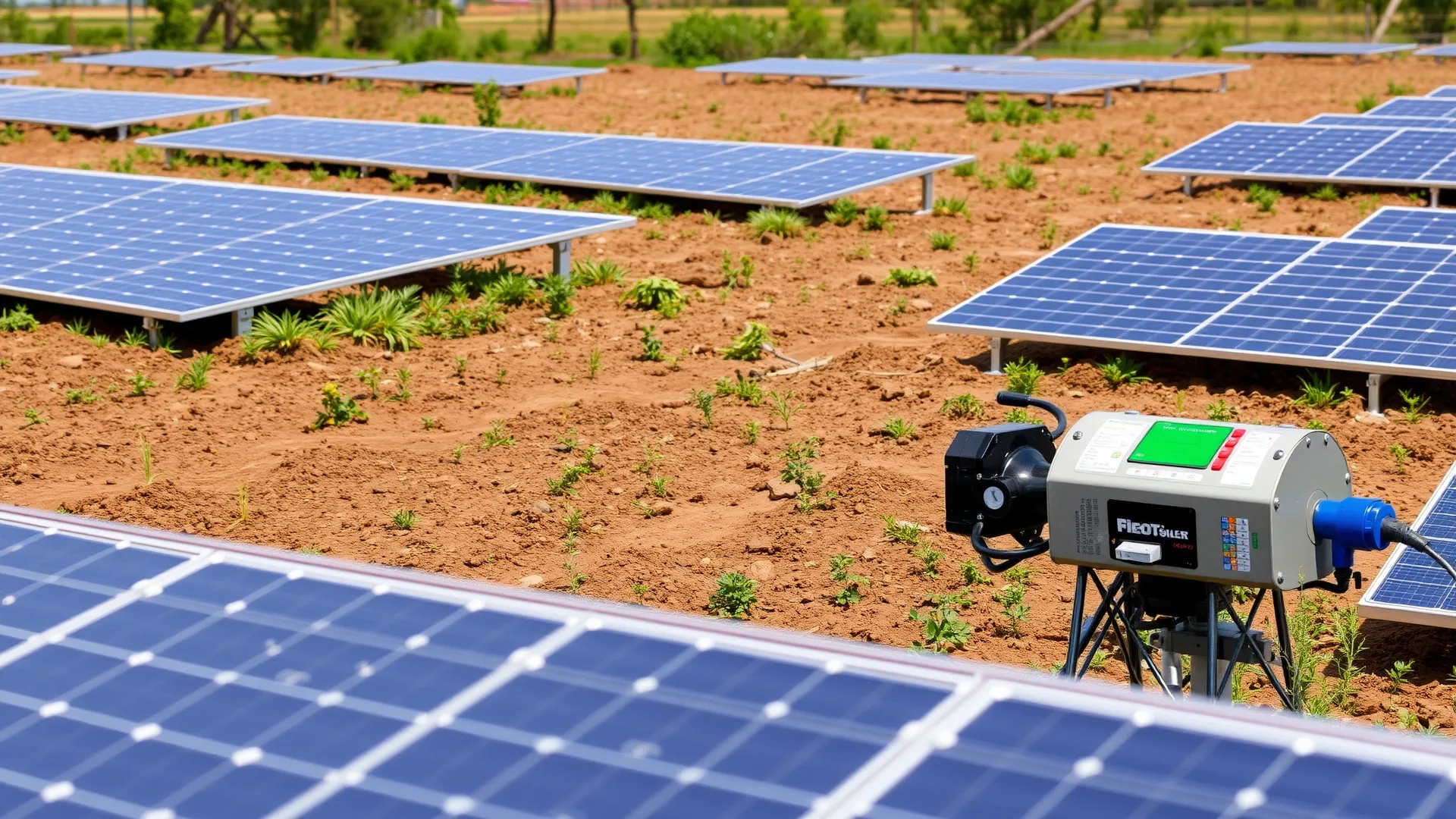
Photovoltaic direct drive solar pumps connect solar panels directly to pump motors through a controller that optimizes power output. When sunlight strikes the panels, generated electricity flows immediately to the pump motor, creating mechanical movement that draws water from wells, rivers, or storage tanks. The system operates only during daylight hours when solar irradiance exceeds the minimum threshold for pump activation. This direct coupling eliminates battery banks, reducing capital costs and eliminating battery replacement concerns. According to the ISO 69487 standard, photovoltaic water pumping systems require proper sizing to match water demand with solar resource availability. The controller continuously adjusts voltage and current to maintain optimal pump performance throughout the day as sunlight intensity changes. Technical documentation for solar systems provides additional sizing guidelines.
The absence of batteries means these systems achieve higher reliability because fewer components can fail during operation. Photovoltaic direct drive systems typically use centrifugal or displacement pumps depending on flow requirements and head pressure needs. Agricultural applications commonly require submersible pumps for deep wells or surface pumps for irrigation channels. The solar product range from Eternal Hybrid Tech includes various pump configurations designed for different agricultural water demands. System designers calculate daily water requirements based on crop types, field size, and local evapotranspiration rates to ensure adequate irrigation capacity.
Key Advantages for Agricultural Operations
Photovoltaic direct drive solar pumps offer significant economic advantages by eliminating ongoing electricity or fuel expenses that burden traditional irrigation systems. Farmers recover initial investment costs typically within three to seven years depending on local energy prices and solar resource quality. These systems require minimal maintenance compared to diesel-powered alternatives, reducing operational downtime and repair costs. The direct drive configuration improves energy conversion efficiency by eliminating battery charging and discharging losses that reduce overall system performance. NIST guidelines for agricultural technology emphasize the importance of reliable systems for food production.
Environmental benefits include zero greenhouse gas emissions during operation and reduced dependence on fossil fuels for agricultural water management. Solar pumping systems contribute to sustainable farming practices that meet increasingly strict environmental regulations. Remote agricultural installations benefit particularly because grid extension costs often exceed the expense of solar pumping equipment. The technology supports rural development by enabling irrigation in areas previously considered economically unviable for agriculture.
Cost Comparison with Traditional Irrigation Methods
Traditional diesel-powered pumps incur continuous fuel costs that fluctuate with petroleum markets, while electric pumps face variable electricity rates and potential supply interruptions. Photovoltaic direct drive systems eliminate these ongoing expenses after initial installation, providing predictable long-term operating costs. The following comparison illustrates typical cost structures for different pumping technologies:
| Cost Factor | Diesel Pump | Electric Grid Pump | Solar Direct Drive |
|---|---|---|---|
| Initial Investment | $2,000-$8,000 | $1,500-$5,000 | $4,000-$15,000 |
| Annual Operating Cost | $1,500-$4,000 | $800-$2,500 | $0-$200 |
| Maintenance Frequency | Quarterly | Semi-annually | Annually |
| Expected Lifespan | 10-15 years | 15-20 years | 20-25 years |
The table demonstrates that while solar direct drive systems require higher upfront investment, long-term operating cost savings typically offset this difference within the system lifespan. Solar efficiency comparisons consistently show operational cost advantages for solar-powered equipment across various agricultural applications. Farmers should evaluate total cost of ownership rather than initial purchase price when selecting irrigation technology.
Agricultural Applications and Use Cases
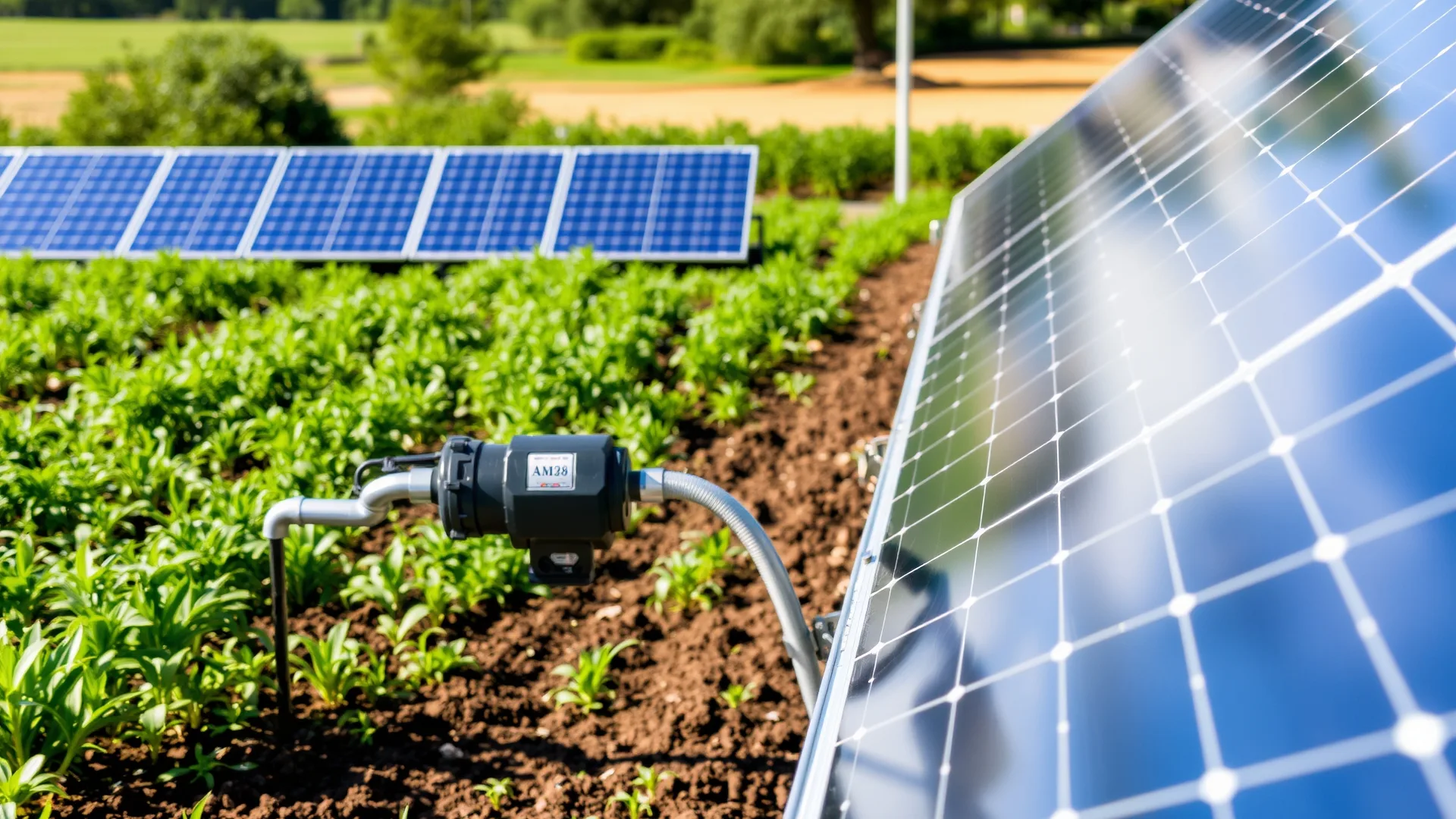
Photovoltaic direct drive solar pumps serve multiple agricultural water management purposes including crop irrigation, livestock watering, and greenhouse climate control. Surface irrigation systems commonly use these pumps to deliver water from rivers or reservoirs to fields through gravity-fed distribution networks. Drip irrigation installations benefit particularly from solar pumping because both technologies reduce water waste and energy consumption simultaneously. Subsurface drainage management also employs solar pumps to remove excess water from waterlogged fields during wet seasons.
Livestock operations utilize solar pumps to maintain continuous water supply for drinking troughs in pastures without grid access. These systems ensure animal hydration requirements are met regardless of remote location or grid availability. Greenhouse operations can combine solar air conditioning with solar pumping for comprehensive climate management using renewable energy. Aquaculture facilities employ solar pumps for pond aeration and water circulation that maintains healthy fish habitat conditions.
System Sizing and Selection Criteria
Proper system sizing ensures photovoltaic direct drive solar pumps meet agricultural water demands without overinvestment in unnecessary capacity. Designers calculate required pump capacity by considering maximum daily water needs, total dynamic head, and available solar irradiance at the installation location. Climate conditions affect both water demand through evapotranspiration rates and solar resource availability through cloud cover patterns. Local water source characteristics including well depth, surface water accessibility, and seasonal flow variations influence pump specification requirements.
The following checklist summarizes critical factors for selecting appropriate solar pumping systems:
- Daily water requirement in liters or gallons for the target application
- Total dynamic head including vertical lift and friction losses
- Available solar resource measured in peak sun hours per day
- Water source type and accessibility constraints
- Seasonal variation in water demand and solar availability
- Backup power requirements for extended cloudy periods
- Maintenance capability and service provider availability
These selection criteria help agricultural operators avoid undersized systems that fail to meet irrigation needs or oversized systems that waste investment capital. Solar industrial ventilation products share similar sizing principles with pumping systems, requiring careful matching of capacity to application demands. Consulting with qualified solar pumping specialists ensures proper system configuration for specific agricultural requirements.
Implementation Best Practices
Successful photovoltaic direct drive solar pump installation requires attention to site preparation, component quality, and ongoing monitoring practices. Solar panels should mount at optimal tilt angles to maximize energy capture throughout the year, typically matching the local latitude angle. Pump placement should minimize suction head requirements while maintaining accessibility for maintenance activities. Water storage tanks provide buffer capacity that compensates for nighttime pump shutdown and cloudy weather periods.
Regular maintenance inspections verify panel cleanliness, wiring integrity, and pump performance consistency. Filter cleaning prevents debris accumulation that reduces pumping efficiency over time. The always-on ventilation principles for warehouses apply similarly to solar pumping systems, emphasizing continuous monitoring and preventive maintenance. Seasonal adjustments to panel tilt angles optimize energy capture as sun position changes throughout the year.
Frequently Asked Questions
Q1: What is the typical payback period for photovoltaic direct drive solar pumps in agriculture?
A1: Payback periods typically range from three to seven years depending on local energy costs, solar resource quality, and system utilization rates. Higher electricity or diesel prices accelerate cost recovery, making solar pumping economically attractive in regions with expensive conventional energy.
Q2: Can solar pumps operate during cloudy weather or rainy seasons?
A2: Solar pumps produce reduced output during cloudy conditions but continue operating as long as minimum solar irradiance is available. Systems designed for regions with prolonged cloudy periods should include water storage capacity or backup power options to ensure continuous water supply.
Q3: What maintenance is required for photovoltaic direct drive agricultural pumps?
A3>Annual maintenance includes panel cleaning, wiring inspection, pump performance testing, and filter replacement. The simplified direct drive configuration reduces maintenance requirements compared to battery-based systems that require regular battery checks and replacement.
Q4: How long do solar pumping systems typically last in agricultural service?
A4: Properly maintained photovoltaic direct drive systems last 20-25 years, with solar panels maintaining about 80% of original output after 25 years. Pump motors typically operate 15-20 years before requiring replacement, making solar pumping a long-term investment with excellent return on investment.
Q5: What crops benefit most from photovoltaic direct drive irrigation systems?
A5: High-value perennial crops such as fruit orchards, vineyards, and specialty vegetables benefit most due to consistent irrigation requirements and substantial ongoing energy costs. Field crops with lower water requirements may not justify the initial investment unless remote locations prevent grid connectivity.
Photovoltaic direct drive solar pumps provide agricultural operations with reliable, cost-effective water management using renewable energy. The technology eliminates ongoing fuel or electricity expenses while reducing environmental impact and increasing independence from utility infrastructure. As solar panel costs continue declining and energy prices rise, these systems increasingly represent the economically rational choice for agricultural water pumping applications. Intelligent microgrid solutions that integrate solar pumping with other renewable technologies offer comprehensive approaches to sustainable agricultural energy management.