How to Choose Solar Industrial Fans for Hot Warehouses: PV Direct Drive vs EC Motor
Hot warehouses create serious operational challenges, including worker safety risks and equipment degradation. When interior temperatures rise above acceptable thresholds, facilities managers must implement effective cooling solutions that reduce costs while improving working conditions. Solar industrial fans represent an energy-efficient ventilation option, with two primary configurations available: direct photovoltaic drive systems and electronically commutated motor systems. Both technologies provide effective air circulation, but their operational principles and performance characteristics differ significantly. This comprehensive guide examines how to choose solar industrial fans for hot warehouses by comparing PV direct drive versus EC motor technologies, helping facility managers make informed purchasing decisions based on their specific requirements.
Understanding the Core Technologies
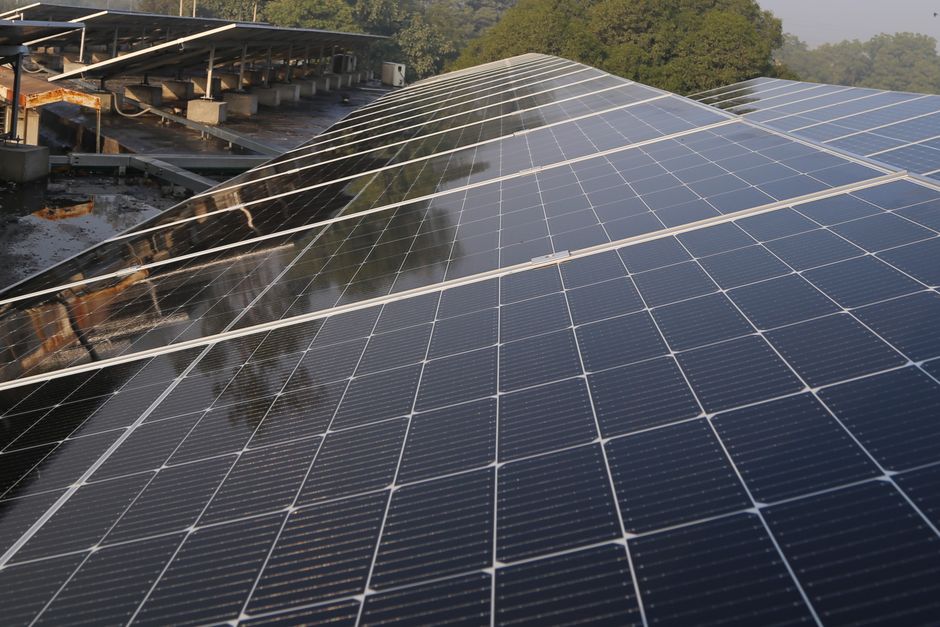
PV direct drive and EC motor systems represent fundamentally different approaches to solar-powered ventilation. Direct PV drive technology connects solar panels directly to the motor without intermediate power conversion stages. The system uses permanent magnet synchronous motors that generate alternating current synchronized with solar panel output. This configuration operates exclusively on solar power during daylight hours, making it ideal for facilities seeking maximum energy independence. EC motors, by contrast, incorporate integrated power electronics that convert DC input from solar panels into controlled three-phase power. This electronic conversion enables variable speed operation and allows the system to run on grid power when solar input is insufficient.
The technical distinction between these systems has practical implications for facility managers. Direct PV drives typically achieve higher peak efficiency because they eliminate conversion losses in the power electronics stage. EC motors offer more flexibility in speed control and can maintain consistent airflow regardless of solar radiation variations.
Efficiency Comparison: PV Direct Drive vs EC Motor
Energy efficiency represents a critical factor when selecting industrial ventilation equipment. Direct PV drive systems typically achieve motor efficiency ratings between 92% and 95% under optimal solar conditions. The elimination of power electronics between the solar array and motor winding reduces conversion losses significantly. EC motor systems generally operate at 88% to 92% efficiency, with the electronic controller introducing approximately 2% to 5% conversion overhead. However, EC motors often demonstrate superior part-load efficiency, maintaining more consistent performance across varying solar radiation levels throughout the day.
The overall system efficiency depends heavily on installation specifics and operational patterns. Direct PV systems perform optimally at peak solar noon when panel output matches motor requirements precisely. EC motor systems can adjust speed to match available solar power, potentially operating at reduced capacity during partial sunlight rather than shutting down entirely. Facilities should evaluate their specific solar resource and operational requirements when comparing these efficiency metrics.
Key Selection Factors for Hot Warehouse Applications
Choosing between PV direct drive and EC motor systems requires careful evaluation of several operational factors. Warehouse size directly influences the cooling capacity needed and determines whether single large fans or multiple smaller units are appropriate. Solar panel orientation and available roof space affect energy generation potential and must align with the chosen system’s power requirements. Thermal load from equipment, processes, and occupancy levels determines baseline cooling demands that the ventilation system must address. The top application areas for solar PV EC fans include various industrial and commercial environments where effective ventilation is essential.
Budget considerations extend beyond initial purchase prices to include installation complexity and long-term operational costs. Direct PV systems typically require higher upfront investment but offer lower maintenance expenses over their operational lifetime. EC motor systems may present lower initial costs but involve more complex installation and regular maintenance requirements. Facilities should calculate total cost of ownership including energy savings, maintenance intervals, and expected equipment lifespan when making purchasing decisions. Solar products from Eternal Hybrid include comprehensive solutions for various cooling and ventilation needs.
Feature Comparison: Direct PV Drive vs EC Motor
| Feature | Direct PV Drive | EC Motor |
|---|---|---|
| Motor Type | Permanent Magnet Synchronous | Brushless DC with Integrated Electronics |
| Peak Efficiency | 92-95% | 88-92% |
| Speed Control | Fixed (solar-dependent) | Variable (electronics-controlled) |
| Grid Connection | Not required | Optional backup capability |
| Maintenance Requirements | Minimal | Moderate |
| Installation Complexity | Lower | Higher |
| Initial Cost | Higher | Lower |
| Operational Flexibility | Limited to sunlight hours | Extended operation possible |
Maintenance Requirements and Operational Considerations
Maintenance demands differ substantially between these two solar fan technologies. Direct PV drive systems feature simpler mechanical construction with fewer wearing components, resulting in lower maintenance requirements over time. Regular tasks include solar panel cleaning to maintain energy capture efficiency and periodic motor bearing inspections. Solar industrial fans with air circulation systems provide reliable ventilation with minimal upkeep requirements. EC motor systems require more attention due to their additional components including belts, drives, and electronic controllers that may need calibration or replacement during the equipment lifecycle.
EC motor maintenance schedules typically include belt tension checks and replacement every six months, inverter or controller inspection quarterly, and annual bearing lubrication or replacement. Direct PV systems, lacking belts and power electronics between solar panels and motors, require only annual motor inspections and occasional panel cleaning. For facilities prioritizing minimal maintenance burden, direct PV drives offer a compelling advantage. However, EC motor systems provide diagnostic capabilities through their electronic controllers that can help predict maintenance needs before failures occur.
Application Scenarios and Use Cases
Direct PV drive systems excel in specific warehouse environments where solar conditions are consistently favorable. Large distribution centers with extensive roof space for solar panel arrays benefit significantly from this technology. Manufacturing facilities operating primarily during daylight hours find direct PV drives aligned with their operational schedules. Warehouses located in regions with high solar irradiance, such as the southwestern United States or Mediterranean climates, maximize the potential of direct drive systems.
EC motor systems prove more versatile across varied operational scenarios. Facilities requiring cooling beyond standard business hours benefit from grid backup capabilities. Warehouses in regions with inconsistent solar resource or significant seasonal variation can maintain consistent ventilation through hybrid operation. These application areas for solar PV EC fans demonstrate the versatility of electronically commutated motor technology across different facility types.
Making the Final Decision: A Practical Checklist
Facility managers should systematically evaluate several key considerations before selecting a solar industrial fan system. Solar panel orientation and available mounting space directly impact energy generation and system viability. Climate patterns, including seasonal variation in sunlight hours, influence whether direct PV or EC motor operation suits the facility. Budget allocation for initial purchase versus long-term operational savings shapes the economic analysis. Installation requirements, including structural preparation and electrical connections, affect total project costs.
- Evaluate solar panel orientation and available roof space for optimal energy generation
- Calculate expected payback period based on energy savings versus installation costs
- Assess existing electrical infrastructure for potential upgrades or grid connection needs
- Review manufacturer specifications for CFM per watt and noise level ratings
- Verify industry certifications and compliance with relevant standards
- Consider future expansion possibilities and scalability requirements
- Request performance data from similar installations in comparable facilities
Performance Standards and Industry Verification
Understanding industry standards helps facility managers verify vendor claims and ensure equipment quality. ISO 5801 provides standardized procedures for testing industrial fan performance, including airflow measurement, power consumption, and efficiency calculations. Equipment certified to meet this standard undergoes rigorous testing under controlled conditions. NIST Small Business Cybersecurity guidelines offer relevant considerations for facilities implementing connected or smart industrial equipment that may interface with facility management systems.
International standards organizations like ISO establish baseline requirements for industrial equipment safety and performance. Facilities should request documentation demonstrating compliance with applicable standards and verify testing procedures match their specific application requirements. Third-party certification from recognized testing laboratories provides additional assurance of equipment quality and performance claims. Understanding these verification methods helps prevent purchasing decisions based solely on marketing materials without independent validation.
The Direct PV Driven EC Motor Industrial Fan System Explained
Modern solar industrial fan technology has evolved to incorporate hybrid approaches that combine benefits of both direct PV and EC motor systems. Direct PV driven EC motor industrial fan systems use power electronics to enable direct solar operation while providing grid backup capability. When solar power exceeds motor requirements, the system operates in direct drive mode for maximum efficiency. During periods of insufficient solar radiation, the electronic controller seamlessly transitions to grid power, maintaining continuous ventilation regardless of weather conditions.
This hybrid approach eliminates battery storage requirements while providing operational flexibility previously unavailable in solar-only systems. Facilities gain the efficiency benefits of direct PV operation during peak sunlight hours while retaining the reliability of grid-powered backup during cloudy periods or evening hours. The integrated electronic controller also enables variable speed operation, allowing the system to modulate airflow based on temperature sensors or building management system inputs. Solar air conditioner technology from Eternal Hybrid represents another advancement in solar-powered cooling solutions.
Top Application Areas for Solar PV EC Fans
Solar industrial fans serve diverse applications across multiple industry sectors where effective ventilation and cooling are essential. Manufacturing facilities with significant heat-generating equipment, such as metal fabrication shops and plastic injection molding operations, benefit from continuous air circulation that removes hot air and improves worker comfort. Distribution warehouses with high-bay storage and limited natural ventilation require mechanical air movement to prevent temperature stratification and maintain product quality.
Agricultural facilities, including livestock housing and greenhouse operations, rely on solar ventilation to control temperature and humidity levels. Automotive service centers and equipment storage facilities use industrial fans to improve air quality and prevent heat-related damage to stored goods. Food processing facilities require ventilation that meets strict hygiene standards while maintaining appropriate temperatures for product safety. Chinese companies leading the solar hybrid motor market continue to develop innovative solutions for these applications.
Conclusion and Recommendations
Selecting between PV direct drive and EC motor solar industrial fans requires balancing efficiency, flexibility, maintenance, and cost considerations against facility-specific requirements. Direct PV systems offer superior peak efficiency and minimal maintenance for facilities with consistent solar access and primarily daytime operations. EC motor systems provide operational flexibility and variable speed control for facilities with diverse cooling needs or inconsistent solar conditions. Hybrid systems combine advantages of both approaches for facilities seeking comprehensive solutions.
Facility managers should conduct thorough assessments of their thermal loads, available solar resources, operational schedules, and budget constraints before making purchasing decisions. Requesting performance data from comparable installations and verifying manufacturer specifications against industry standards helps ensure appropriate equipment selection. Eternal Hybrid solar products offer comprehensive solutions for hot warehouse cooling applications. The investment in proper system selection pays dividends through reduced energy costs, improved worker comfort, and reliable long-term operation. Solar industrial fan technology continues advancing, with manufacturers developing increasingly efficient and cost-effective solutions for hot warehouse cooling applications.
Frequently Asked Questions
Q: Which system is more cost-effective for hot warehouse cooling?
A: Cost-effectiveness depends on facility-specific factors including solar resource quality, operational hours, and available budget. Direct PV systems offer lower operating costs but higher initial investment. EC motor systems present lower upfront costs with slightly higher operational expenses. Calculate total cost of ownership over expected equipment lifespan for accurate comparison.
Q: Can solar industrial fans cool large warehouses adequately?
A: Yes, properly sized solar industrial fan systems can effectively cool large warehouses through strategic air circulation. Large facilities typically require multiple fans positioned for optimal air movement patterns. Destratification fans prevent hot air accumulation near ceilings, while floor-level circulation improves worker comfort in occupied zones.
Q: What maintenance do solar industrial fans require?
A: Maintenance requirements vary by system type. Direct PV systems need only occasional solar panel cleaning and annual motor inspections. EC motor systems require more attention, including belt checks, inverter inspections, and bearing maintenance. Establish a preventive maintenance schedule based on manufacturer recommendations and operational hours.
Q: How do I determine the correct fan size for my warehouse?
A: Calculate airflow requirements based on warehouse volume, desired air changes per hour, and heat load. A common guideline targets 2-4 air changes per hour for general ventilation, with higher rates for facilities with significant heat generation. Consult with manufacturers or ventilation engineers to determine appropriate fan capacity and quantity.
Q: Are there government incentives for installing solar industrial fans?
A: Many regions offer incentives for solar equipment installation, including tax credits, rebates, and accelerated depreciation. Research federal, state, and local programs available in your area. Utility companies may offer additional rebates for energy-efficient equipment that reduces peak demand.