Solar Industrial Fan vs Traditional Fan: Complete Efficiency Comparison
Industrial facilities face increasing pressure to reduce energy costs while maintaining optimal ventilation performance. This comprehensive comparison examines solar industrial fans against traditional electric fans, analyzing efficiency metrics, operational costs, and practical considerations for facility managers. Understanding the fundamental differences between these two ventilation technologies helps decision-makers choose the most cost-effective solution for their specific operational requirements. This article provides detailed technical analysis supported by industry standards and practical implementation guidance.
Understanding the Core Technology Differences
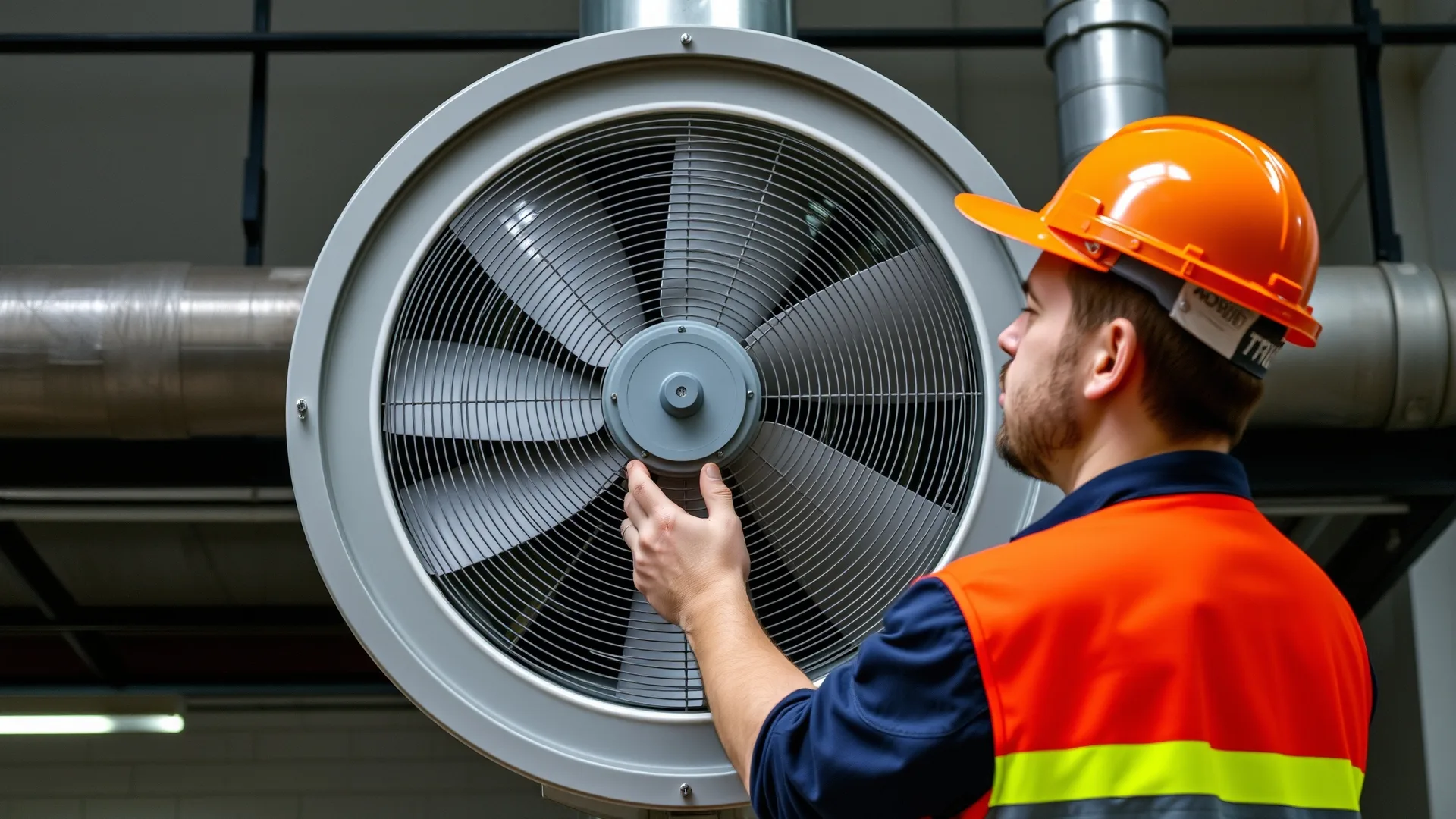
Solar industrial fans utilize photovoltaic direct-drive systems that convert sunlight directly into mechanical energy without intermediate power conversion stages. Traditional industrial fans rely on electric motors that receive power from the grid, typically operating at fixed speeds determined by alternating current frequency. The fundamental distinction lies in their power generation and consumption pathways, which directly impacts overall system efficiency. According to ISO 69487 standards for industrial ventilation systems, energy conversion efficiency varies significantly based on motor technology and drive configuration.
The photovoltaic motor technology used in solar industrial fans eliminates several energy conversion losses present in traditional systems. Grid-powered fans experience conversion losses at the power plant, transmission lines, and within the motor itself. Solar systems reduce these losses by generating electricity on-site during daylight hours. This direct coupling between solar panels and fan motors achieves energy efficiency ratings that conventional systems cannot match under optimal conditions.
Energy Consumption Analysis
Solar industrial fans demonstrate substantial energy savings when compared to traditional three-phase electric fans of equivalent airflow capacity. A typical 48-inch solar industrial fan rated at 1.5 kW can move approximately 25,000 CFM while consuming zero grid electricity during daylight operation. Traditional fans of similar airflow capacity commonly require 2.2-3.0 kW of continuous power consumption. The operational cost difference becomes significant when calculating annual energy expenditure across multiple fan installations.
Independent testing facilities have documented that photovoltaic direct-drive fans achieve mechanical efficiency rates exceeding 85%, compared to 70-75% for conventional induction motor systems. This efficiency advantage translates directly into lower heat generation within the motor, extended component lifespan, and reduced cooling requirements in the surrounding workspace. Facilities implementing solar ventilation report energy cost reductions ranging from 60% to 100% during daylight hours, depending on geographic location and installation configuration.
Performance Metrics and Airflow Capacity
Airflow capacity represents a critical performance metric when evaluating ventilation effectiveness in industrial environments. Solar industrial fans available through specialized manufacturers like EternalMaxx deliver comparable airflow volumes to traditional electric fans when properly sized for the application. Modern solar fan designs incorporate advanced blade geometry and variable pitch mechanisms that optimize air movement across varying solar input levels. The World Wide Web Consortium accessibility guidelines emphasize that industrial equipment must maintain consistent performance regardless of power source, and quality solar fan systems meet this requirement.
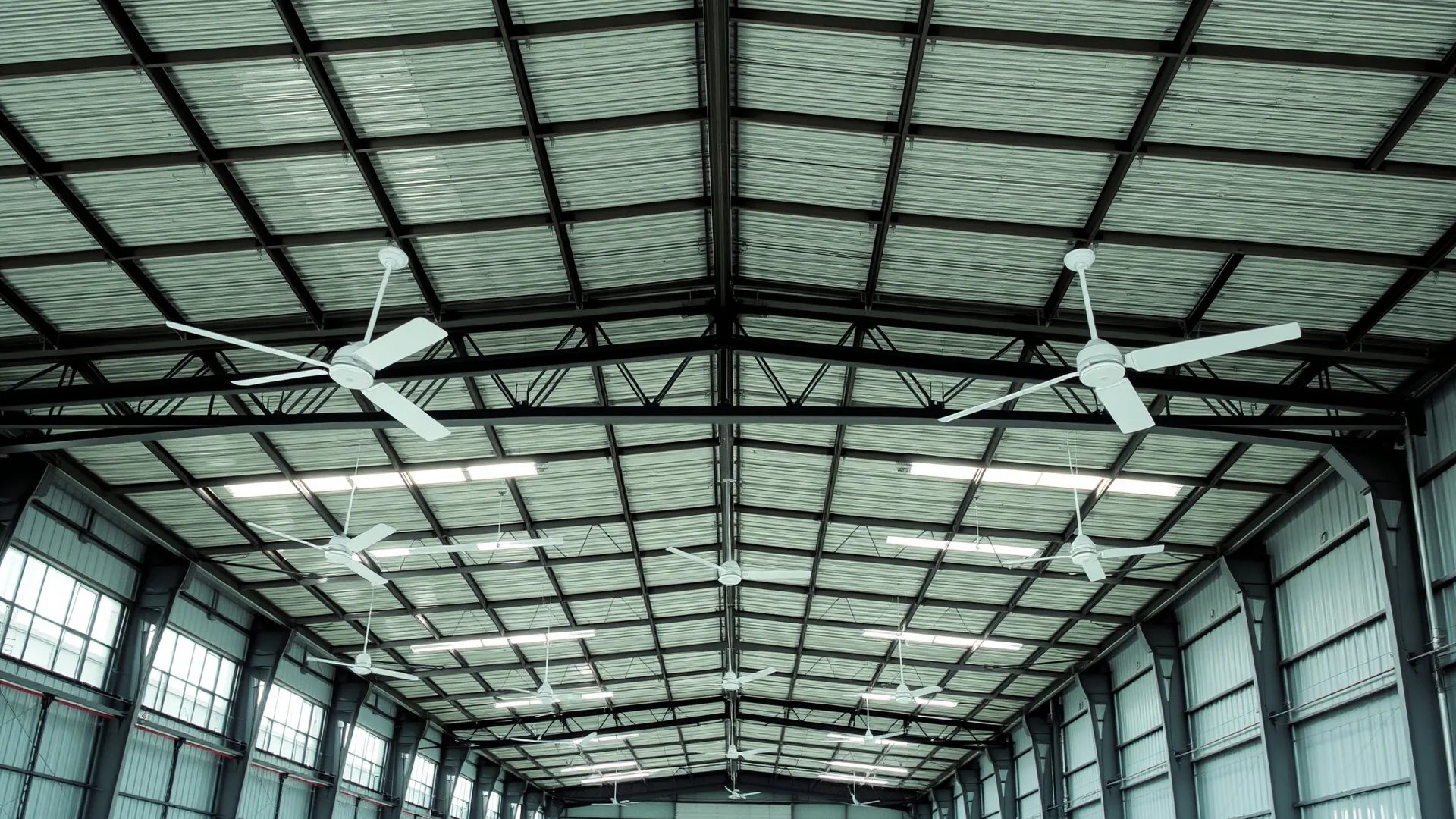
Coverage area calculations for solar industrial fans follow similar principles to traditional fan selection criteria. Industrial facilities typically require 8-12 air changes per hour depending on heat load and contamination levels. Solar fans can achieve these requirements when correctly sized, with effective coverage areas ranging from 1,500 to 4,000 square feet per unit. Seasonal variation in solar availability requires consideration during system design to ensure adequate ventilation during lower-insolation periods.
Operational Cost Comparison
Initial acquisition costs for solar industrial fans typically exceed traditional fan prices by 40-80%, reflecting the additional expense of photovoltaic components and specialized motor technology. However, operational cost analysis reveals a different picture when examining total cost of ownership over system lifespan. Traditional fans incur continuous electricity expenses that accumulate significantly over years of operation, while solar fans generate free electricity from available sunlight.
Consider a typical manufacturing facility installing ten industrial fans operating 12 hours daily in a region with 5 sun-hours peak availability. Annual electricity costs for traditional fans at $0.12 per kWh reach approximately $15,840. Solar fans reduce grid consumption by approximately 60% while generating remaining power requirements from photovoltaic arrays. Facilities can further optimize costs by combining solar fans with complementary systems like solar air conditioners to maximize renewable energy utilization throughout the facility.
Installation and Infrastructure Requirements
Traditional industrial fans require dedicated electrical infrastructure including three-phase power connections, motor starters, and often variable frequency drives for speed control. These components add complexity to installation and contribute to overall project costs. Solar industrial fans simplify installation by eliminating most electrical infrastructure requirements, though they necessitate proper mounting locations with adequate sun exposure and structural support for panel arrays.
Selecting appropriate mounting locations significantly impacts solar fan performance and ROI realization. Facilities should evaluate roof load capacity, shading analysis, and structural integrity when planning installations. Comprehensive guidelines for choosing solar industrial fans for factory workshop ventilation emphasize the importance of professional site assessment before equipment procurement.
Reliability and Maintenance Considerations
Solar industrial fans contain fewer moving parts than traditional electric fans, which contributes to enhanced reliability in industrial environments. The absence of complex motor drive electronics reduces potential failure points that commonly affect traditional systems. Photovoltaic direct-drive motors operate without belts, pulleys, or gear reduction systems that require periodic replacement in conventional fan designs.
Maintenance requirements for solar industrial fans focus primarily on panel cleaning and visual inspection of electrical connections. Traditional fans require regular motor lubrication, belt tensioning, and bearing replacement schedules that add to ongoing operational expenses. The simplified maintenance profile of solar systems reduces labor costs and minimizes production interruptions for service activities. Facilities in humid or dusty environments may require more frequent panel cleaning to maintain optimal energy capture efficiency.
Environmental Impact and Sustainability Metrics
Carbon emission reduction represents a significant advantage for solar industrial fan adoption in industrial sustainability initiatives. Grid electricity generation produces varying emission levels depending on regional energy mix, with average values ranging from 0.4 to 0.9 kg CO2 per kWh. Solar fans eliminate these operational emissions during daylight hours, contributing directly to facility carbon footprint reduction targets. Organizations pursuing environmental certifications find solar ventilation systems align with green building standards and corporate sustainability commitments.
The environmental benefits extend beyond operational emissions to include reduced transmission losses and decreased dependence on fossil fuel-generated electricity. Industrial facilities implementing comprehensive solar solutions, including combined systems for photovoltaic direct-drive applications, demonstrate measurable progress toward renewable energy adoption goals.
Geographic and Climatic Suitability
Solar industrial fan performance correlates directly with available solar irradiance at the installation location. Facilities in tropical and subtropical regions experience maximum benefit from solar ventilation technology, with annual solar resource values exceeding 2,000 kWh per square meter. Regions with moderate cloud cover or seasonal variation may require hybrid configurations that supplement solar power with grid electricity during low-insolation periods.
Industrial facilities in Southeast Asia and similar high-solar regions represent optimal candidates for solar fan adoption. Extended daylight hours and high solar intensity create favorable conditions for achieving maximum energy savings. Comprehensive purchasing guidance for Southeast Asian facilities addresses regional considerations including humidity, dust exposure, and monsoon season operation.
Return on Investment Analysis
Typical return on investment periods for solar industrial fans range from 3 to 6 years depending on local electricity costs, solar resource availability, and installation scale. Payback calculations must account for available incentives, tax credits, or utility rebates that may apply to renewable energy installations. Many industrial facilities achieve ROI within four years while simultaneously improving ventilation performance compared to aging traditional systems.
Financial analysis should consider replacement schedules for aging traditional equipment. Facilities planning equipment upgrades can evaluate solar alternatives as direct replacements with substantially improved operational economics. The extended lifespan of photovoltaic direct-drive motors, often exceeding 25 years, provides long-term financial benefits that enhance project economics beyond simple energy cost reduction.
Comprehensive Feature Comparison
The following table summarizes key differentiating factors between solar industrial fans and traditional electric industrial fans:
| Feature | Solar Industrial Fan | Traditional Electric Fan |
|---|---|---|
| Power Source | Photovoltaic panels | Grid electricity |
| Typical Efficiency | 85%+ | 70-75% |
| Operating Cost | Minimal (maintenance only) | Continuous electricity expense |
| Installation Complexity | Moderate (panels + mounting) | Moderate (electrical infrastructure) |
| Maintenance Requirements | Low (panel cleaning) | Regular (motor service) |
| Operational Emissions | Zero during daylight | Grid-dependent emissions |
| Component Lifespan | 20-25 years | 10-15 years typical |
| Speed Control | Variable with solar input | Fixed or VFD adjustable |
Selection Criteria and Decision Framework
Facility managers should evaluate several key factors when determining whether solar industrial fans or traditional fans better suit their operational requirements. Consider these essential selection criteria:
- Available solar resource and shading conditions at mounting locations
- Current and projected electricity costs over system lifespan
- Existing electrical infrastructure capacity and upgrade costs
- Required airflow capacity and ventilation change rate specifications
- Environmental certification requirements and sustainability targets
- Budget constraints and available capital for initial investment
- Local utility interconnection requirements and net metering availability
Hybrid configurations that combine solar fans with grid-powered backup provide flexibility for facilities requiring guaranteed ventilation during all conditions. This approach offers the economic benefits of solar technology while maintaining operational reliability during extended cloudy periods or nighttime operation requirements. Complete solar product solutions available from specialized manufacturers enable facilities to implement customized configurations matching their specific operational and financial parameters.
Industry Applications and Use Cases
Solar industrial fans prove particularly effective in specific industrial applications where ventilation requirements align with solar availability patterns. Manufacturing facilities with high heat loads from machinery benefit substantially from solar ventilation during daylight production hours when cooling demand peaks coincidentally with maximum solar resource. Warehouses and distribution centers with large roof areas provide ideal mounting locations for panel arrays while achieving effective air circulation throughout the space.
Agricultural facilities including barns, greenhouses, and processing plants represent strong candidates for solar ventilation technology. The alignment between daylight hours and ventilation requirements in agricultural settings creates natural synergy with solar power generation. Combined systems incorporating solar air circulation systems can achieve comprehensive facility ventilation while minimizing grid dependence.
Implementation Best Practices
Successful solar industrial fan implementation requires attention to system design, installation quality, and ongoing operational monitoring. Professional assessment of structural requirements ensures mounting systems adequately support panel and fan loads under wind and seismic conditions. Electrical interconnection design must comply with local codes while enabling appropriate overcurrent protection and disconnect provisions.
Performance monitoring through energy metering and operational logging enables facility managers to verify savings projections and identify potential performance degradation. Regular system inspection should include panel condition assessment, mounting hardware verification, and electrical connection inspection. Documentation of installation details and component specifications facilitates future maintenance and system expansion planning.
Conclusion
Solar industrial fans offer compelling advantages over traditional electric fans in terms of energy efficiency, operational cost reduction, and environmental impact. While initial investment costs exceed traditional alternatives, the long-term financial benefits typically result in favorable return on investment periods of three to six years. Facilities with adequate solar resources and ventilation requirements aligned with daylight hours represent optimal candidates for solar adoption. The technology continues advancing with improved efficiency ratings and reduced component costs that enhance economic viability across broader geographic regions and facility types.
Frequently Asked Questions
How much can a facility save annually by switching to solar industrial fans?
Annual savings depend on electricity costs, fan operating hours, and solar resource availability. Facilities typically save between 60% and 100% on ventilation-related electricity costs during daylight operation, with annual savings ranging from $5,000 to $50,000 for multiple fan installations.
Do solar industrial fans work on cloudy days?
Solar fans operate at reduced capacity during cloudy conditions since photovoltaic output correlates with available sunlight. Systems can be configured with grid backup or battery storage to maintain full ventilation capability regardless of weather conditions.
What is the typical lifespan of solar industrial fan components?
Photovoltaic panels typically retain 80% of rated output after 25 years. Solar fan motors commonly exceed 20 years of reliable service with minimal maintenance requirements. Traditional components like bearings and blades may require replacement according to manufacturer schedules.
Can solar industrial fans replace traditional fans completely?
In many applications, solar fans can fully replace traditional ventilation systems, particularly in facilities with strong solar resources and ventilation requirements matching daylight hours. Some operations may benefit from hybrid configurations that supplement solar power with grid electricity during low-insolation periods.
What maintenance do solar industrial fans require?
Solar industrial fans require minimal maintenance compared to traditional electric fans. Primary maintenance tasks include periodic panel cleaning to remove dust and debris, inspection of electrical connections, and visual checks of mounting hardware. Motor bearings in quality solar fans typically operate for extended periods without service intervention.