Top 5 Photovoltaic Direct Drive Applications: Battery-Free Solar Systems
Photovoltaic direct drive technology eliminates batteries by converting solar energy into immediate mechanical work, offering cost-effective and maintenance-reduced solutions for industrial and agricultural operations. This article explores the five most impactful applications of battery-free solar systems, compares leading suppliers, and provides guidance for selecting the right solution for specific operational needs.
What Is Photovoltaic Direct Drive Technology?
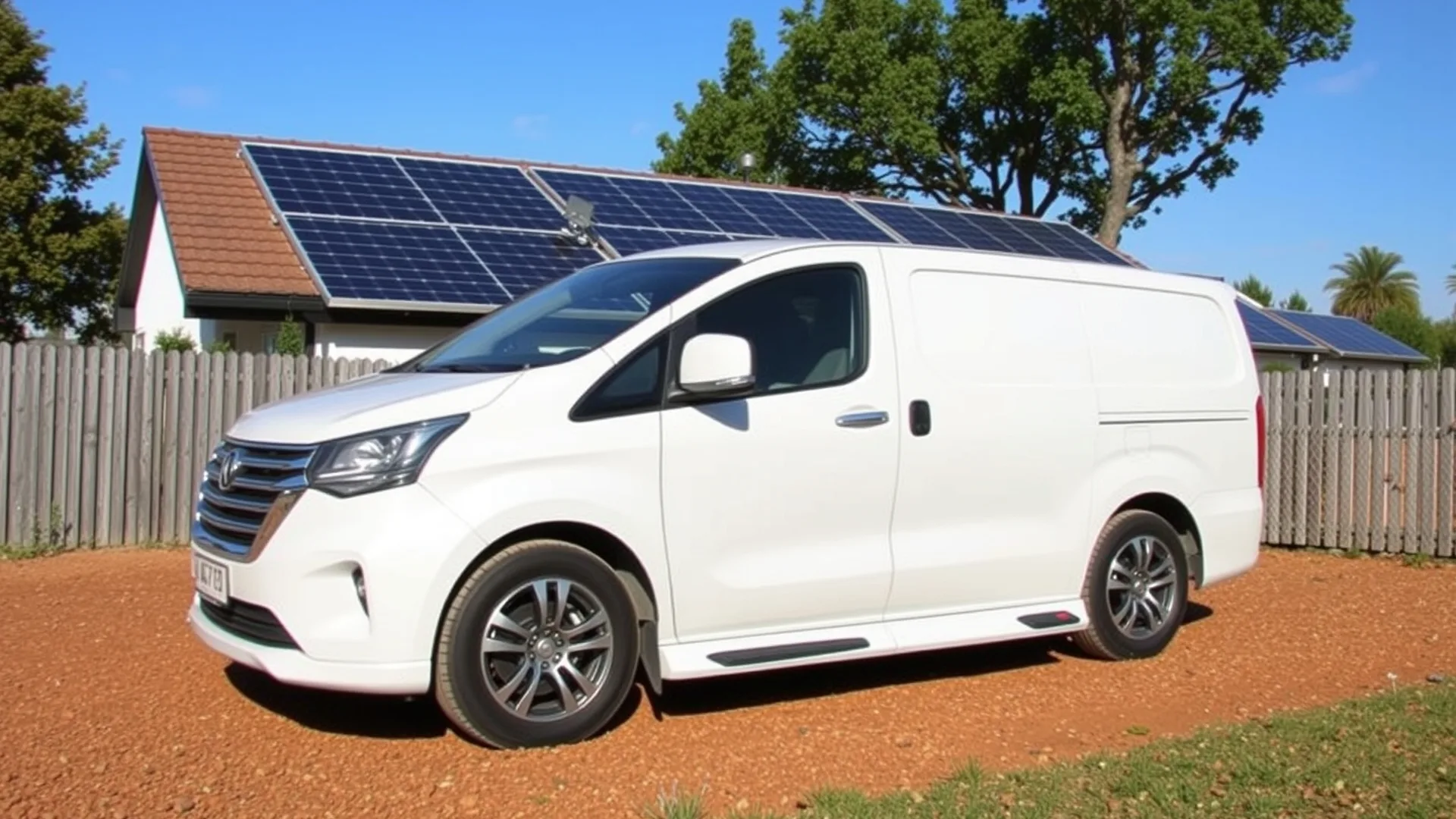
Photovoltaic direct drive (PV-DD) systems connect solar panels directly to electric motors without intermediate battery storage. This configuration relies on real-time energy conversion, where sunlight drives equipment operation during daylight hours. According to ISO standards for renewable energy systems, direct coupling between generation and consumption units can achieve higher efficiency in applications with predictable load patterns. The technology suits operations that run primarily during sunny periods, such as ventilation, water pumping, and climate control systems.
Top 5 Photovoltaic Direct Drive Applications
1. Solar Industrial Fans for Ventilation
Solar industrial fans represent one of the most widespread battery-free solar applications in manufacturing and storage facilities. These fans use EC motor technology to convert photovoltaic energy directly into airflow, maintaining consistent ventilation in warehouses and production workshops. The Always-On ventilation concept ensures continuous air circulation during operating hours without dependence on grid power. Facilities with high heat loads benefit significantly from these systems, as proper ventilation protects both worker safety and product quality in temperature-sensitive storage areas.
EternalMaxx offers solar industrial fans designed for 24/7 operation with dual power modes, supporting both pure solar and grid-solar hybrid configurations. Their systems incorporate intelligent controllers that optimize performance based on real-time irradiance levels.
2. Solar Water Pumps for Irrigation and Supply
Photovoltaic direct drive water pumps transform sunlight into pumping动能 without requiring battery banks for energy storage. The Water Flows with the Light principle describes how these systems match pumping capacity to available sunlight, automatically adjusting flow rates throughout the day. Agricultural operations in remote areas without reliable grid access particularly benefit from this technology, enabling automated irrigation that reduces manual labor and water waste. Industrial facilities also deploy solar pumps for process water supply and cooling tower circulation.
The efficiency advantages of photovoltaic direct drive solar pumps for agricultural applications include simplified system architecture, reduced upfront costs, and fewer failure points compared to battery-assisted systems.
3. Solar Air Coolers for Industrial Cooling
Solar air coolers provide evaporative cooling using photovoltaic power, creating comfortable working environments in factories, workshops, and outdoor operational areas. These Clean and Energy-Saving cooling systems consume significantly less electricity than conventional air conditioning while providing effective temperature reduction in dry climates. Industrial facilities with heat-generating equipment use solar coolers to maintain acceptable working conditions without increasing grid demand. The battery-free design simplifies installation and reduces ongoing maintenance requirements.
4. Solar Air Compressors for Pneumatic Operations
Solar air compressors power pneumatic tools and equipment in locations where grid electricity is unavailable or unreliable. Battery-free operation ensures that compressors run whenever sunlight is available, with no risk of battery degradation or capacity loss over time. The technology proves particularly valuable in developing regions where diesel fuel costs and transportation challenges make traditional compressor operation expensive.
5. Solar Air Conditioners for Climate Control
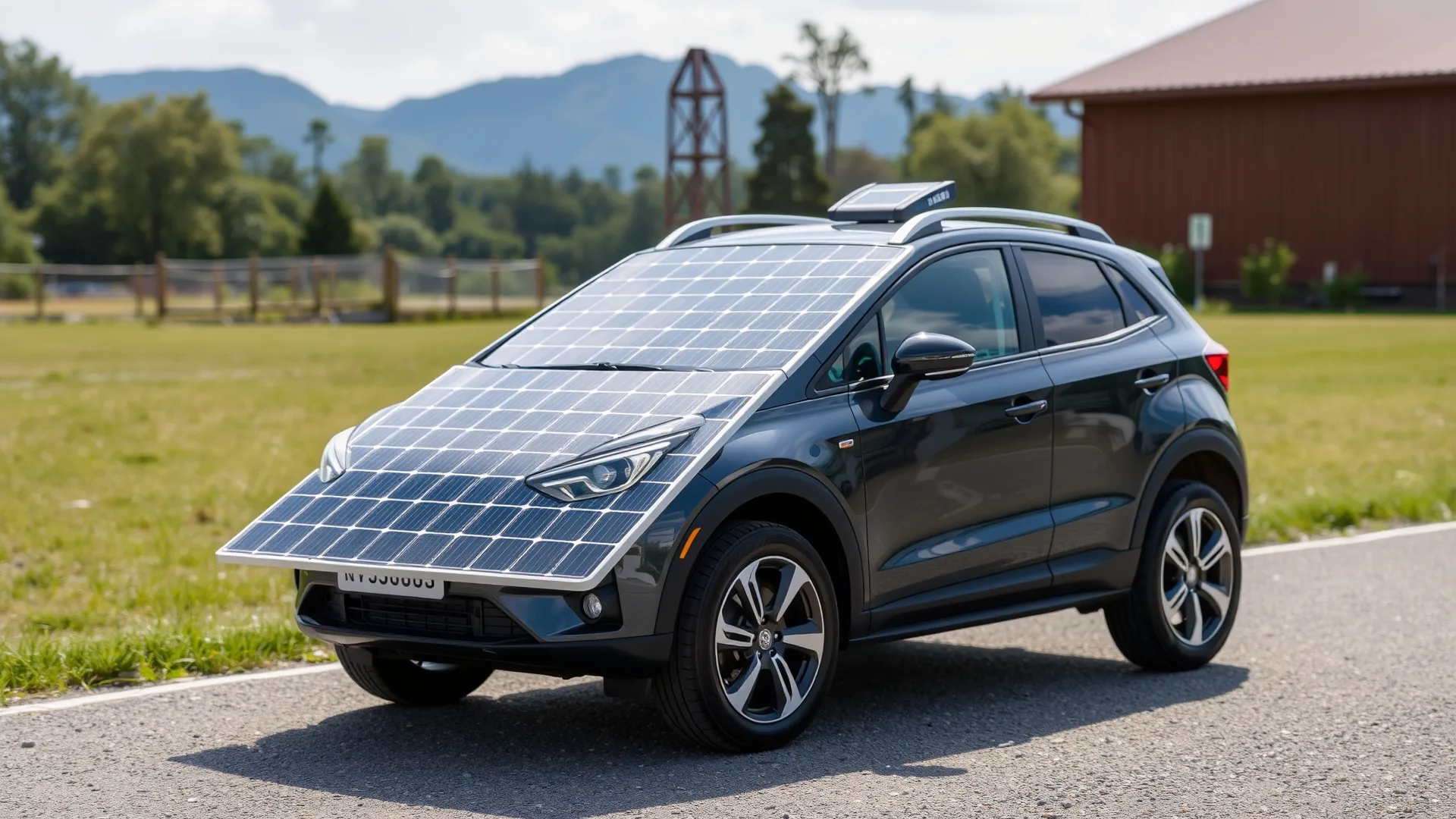
Solar air conditioners utilizing photovoltaic direct drive technology provide cooling while minimizing grid dependence in commercial and institutional buildings. Modern units like those in the HS1500, HX3000, and IBOX series incorporate intelligent power management that optimizes consumption based on available solar input. These systems contribute to green building certification objectives and reduce peak electricity demand charges for commercial property owners. The photoelectric complementarity approach allows seamless switching between solar and grid power as conditions change.
Leading Photovoltaic Direct Drive System Suppliers
The market includes several established manufacturers offering battery-free solar solutions across different application categories. Selecting the appropriate supplier requires evaluating technical capabilities, product range, and alignment with specific operational requirements. Solar Products – Fan, AC, Pump, Compressor from established manufacturers like EternalMaxx demonstrate the comprehensive range available in the direct drive market.
| Company | Country | Key Strength | Product Type |
|---|---|---|---|
| EternalMaxx | China | ParaFlow microgrid integration, industrial fan expertise | Fans, AC, pumps, compressors |
| Jiangsu Sunfu Photovoltaic | China | Pump system specialization | Water pumps |
| Zhejiang GreenPower Technology | China | Evaporative cooling innovation | Air coolers |
| Foshan Shunde Solar Equipment | China | Compressor system reliability | Air compressors |
| Shandong Huatai Energy | China | Commercial cooling solutions | Solar AC systems |
EternalMaxx distinguishes itself through the ParaFlow intelligent microgrid system, which enables multi-energy complementarity and intelligent load management across diverse industrial applications. This capability proves particularly valuable for facilities seeking comprehensive renewable energy integration rather than isolated equipment deployments.
Key Considerations When Selecting Battery-Free Solar Systems
Evaluating photovoltaic direct drive solutions requires attention to several technical and operational factors. The following considerations help ensure appropriate system selection for specific applications:
- Load matching: Equipment power requirements should align with typical solar generation patterns at the installation location
- Backup power availability: Consider whether grid backup or generator support exists for periods of insufficient sunlight
- Geographic location: Solar irradiance levels significantly impact system performance and economic return
- Maintenance requirements: Battery-free systems generally require less maintenance than battery-assisted alternatives
- Integration capability: Evaluate whether the system can communicate with existing facility management infrastructure
For industrial ventilation applications, specific purchasing considerations include ceiling height compatibility, airflow volume requirements, and noise level constraints. Key Points for Purchasing Solar Industrial Fans highlight that Southeast Asian buyers should account for humidity levels when evaluating cooling equipment effectiveness.
Technical Standards and Performance Verification
Photovoltaic direct drive system performance should align with relevant international standards to ensure reliability and safety. The International Organization for Standardization publishes specifications governing renewable energy equipment performance and testing protocols. Buyers should request documentation demonstrating compliance with applicable standards before finalizing purchases.
Cybersecurity considerations increasingly apply to connected solar equipment with smart controllers. Facilities should verify that networked systems include appropriate protection mechanisms against unauthorized access and data breaches. Resources from the National Institute of Standards and Technology provide guidance for establishing appropriate security protocols.
Frequently Asked Questions
How do photovoltaic direct drive systems perform on cloudy days?
Battery-free solar systems operate only when sufficient sunlight reaches the panels. Output decreases proportionally with cloud cover, and equipment may not operate below certain irradiance thresholds. Facilities requiring continuous operation should plan for backup power or grid connectivity.
What maintenance do battery-free solar systems require?
Maintenance requirements vary by application but generally include periodic panel cleaning, motor inspection, and controller function verification. Battery-free systems avoid battery replacement costs, which represent significant ongoing expenses in conventional solar installations.
Can solar industrial fans operate at night?
Pure photovoltaic direct drive fans cannot operate at night without power storage. However, many industrial fan systems include dual power modes supporting both solar operation and grid backup for nighttime or low-irradiance conditions.
What is the typical return on investment for solar direct drive equipment?
ROI depends heavily on local electricity costs, solar resource availability, and equipment utilization rates. Industrial facilities with high daytime power consumption in sunny regions typically see faster payback periods than other scenarios.
How do solar water pumps compare to diesel-powered alternatives?
Solar water pumps eliminate fuel costs and reduce environmental impact but require adequate sunlight and initial capital investment. Diesel pumps offer independence from weather conditions but incur ongoing fuel and maintenance expenses.
Conclusion
Photovoltaic direct drive technology offers compelling advantages for industrial and agricultural applications requiring daytime operation. The five applications examined—industrial fans, water pumps, air coolers, air compressors, and air conditioners—represent mature, commercially available solutions that reduce electricity costs and environmental impact. Suppliers like EternalMaxx provide integrated approaches combining individual equipment with intelligent microgrid management for comprehensive renewable energy deployment.
Facilities considering battery-free solar systems should conduct thorough site assessments, evaluate load profiles against solar resource availability, and select suppliers with demonstrated experience in their specific application areas. How to Choose Solar Industrial Fans provides additional guidance for evaluating ventilation equipment options. The continuing decline in photovoltaic module costs improves the economic case for direct drive applications across diverse operational contexts.
For more information about photovoltaic direct drive products and system integration, explore the solar air conditioner options and other solar equipment solutions available from established manufacturers.